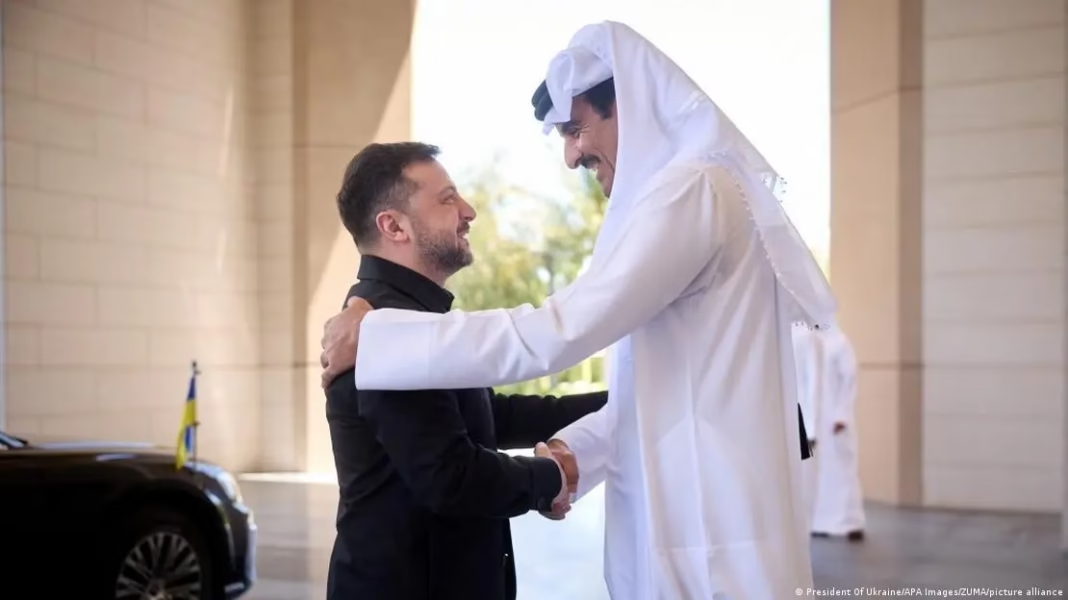
Doha / Abu Dhabi — Volodymyr Zelenskyy has secured a series of defence agreements with Gulf nations, signing a new deal with Qatar and expanding cooperation with the United Arab Emirates, as regional tensions rise amid ongoing Iranian missile and drone attacks.
The agreement with Qatar, announced by the Qatar Ministry of Defence, focuses on joint efforts to counter missile and drone threats, including cooperation in advanced technology, investment, and the exchange of military expertise. The deal was signed during Zelenskyy’s visit to Doha following earlier stops in the UAE and Saudi Arabia.
Senior officials from both sides attended the signing, including Qatar’s defence leadership and Ukraine’s top security and military representatives, underscoring the strategic importance of the partnership.
Ukraine is positioning itself as a key partner for Gulf security by offering battlefield-tested expertise in countering drones, developed during its war with Russia. Kyiv has already deployed anti-drone specialists across the region as part of Zelenskyy’s diplomatic push.
The move comes as Iran’s ongoing attacks across the Gulf—despite Tehran’s claim it is targeting only U.S. assets—have raised concerns among regional governments about civilian safety and infrastructure risks.
Ukraine’s approach offers a cost-effective alternative to traditional air defence systems. While Gulf states rely heavily on high-cost interceptors like Patriot and THAAD systems, Ukrainian methods for downing drones can cost a fraction, making them increasingly attractive amid sustained aerial threats.
Kyiv is also seeking to secure funding and military support through these partnerships, as it continues to face near-daily missile and drone attacks from Russia. Officials say Ukraine hopes to exchange its drone interception expertise for access to advanced air defence systems needed to counter ballistic missile threats.
The agreements mark a deepening of ties between Ukraine and Gulf states, reflecting a growing convergence of security interests as conflicts in Eastern Europe and the Middle East become increasingly interconnected.
SOURCE : AGENCIES | Follow Us: Facebook | Instagram | Twitter | Youtube |