Middle East | April 8, 2026: In a dramatic turn of events, the United States and Iran agreed to a two-week ceasefire early Wednesday, stepping back from the brink of a potentially devastating escalation after nearly six weeks of intense conflict that had rattled global stability.
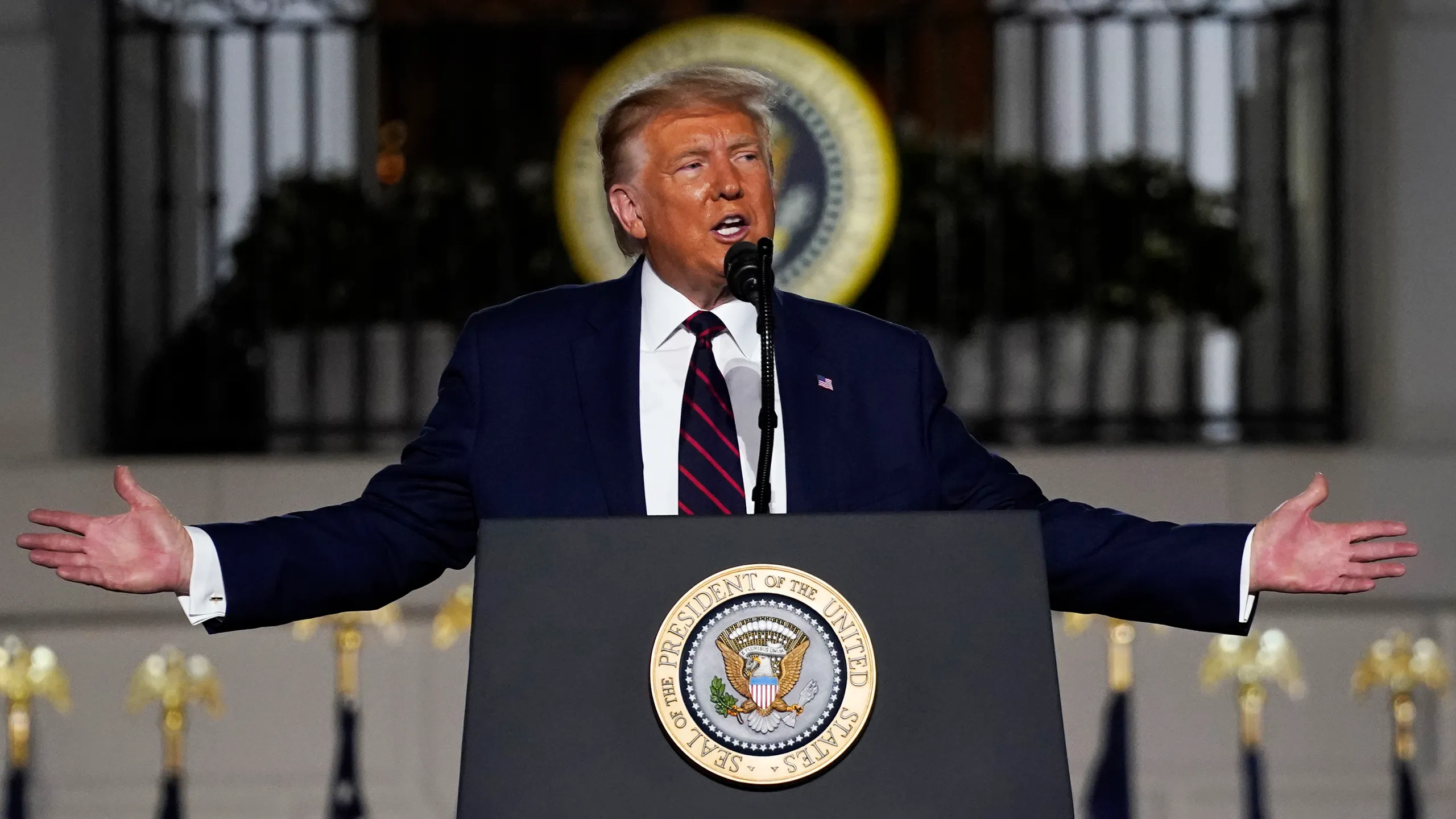
The breakthrough came in the final hours before a self-imposed deadline set by US President Donald Trump, whose increasingly aggressive rhetoric had raised fears of a much larger and more destructive war.
Last-Minute Diplomacy Averts Escalation
As tensions peaked on Tuesday, diplomatic channels worked frantically behind the scenes. With less than 90 minutes remaining before the deadline, Pakistan-mediated negotiations succeeded in securing a temporary truce between Washington and Tehran.
Under the agreement:
- Both sides will halt all military operations for two weeks
- The strategically critical Strait of Hormuz will be reopened for global shipping
- Further negotiations for a permanent settlement are scheduled in Islamabad on Friday
The agreement was widely seen as a crucial pause in a conflict that threatened to spiral into a broader regional war.
Trump’s ‘Apocalyptic’ Warnings Spark Global Alarm
In the hours leading up to the ceasefire, President Trump issued stark warnings, stating that if Iran failed to reopen the Strait of Hormuz by Tuesday evening (Washington time), the US would launch large-scale attacks targeting Iran’s infrastructure.
He warned that:
- Iran could be pushed back to the “Stone Age”
- A “whole civilisation” could be destroyed
These remarks triggered global concern, with several world leaders condemning the language as extreme and dangerous. Analysts warned that such rhetoric increased the risk of miscalculation, while global markets reacted sharply amid fears of wider conflict.
Speculation also grew over whether the US administration might consider more extreme military options, including the potential use of unconventional weapons, although no official confirmation supported such claims.
Israel Joins Ceasefire — With Conditions
Israel, which had been actively involved in the conflict, also agreed to pause its military operations. However, it clarified that the ceasefire does not apply to Lebanon, leaving a key flashpoint in the region unresolved.
This partial inclusion highlights the fragile and limited scope of the current agreement.
Global Markets and Strategic Stakes
The conflict had already begun to impact:
- Global oil prices, due to risks around the Strait of Hormuz
- Shipping routes, critical for international trade
- Investor confidence, amid fears of prolonged instability
The reopening of the Strait is expected to provide short-term relief to global markets, though uncertainty remains high.
From ‘Stone Age’ to ‘Golden Age’?
Following the ceasefire announcement, Trump took to social media, suggesting the agreement could usher in a “Golden Age for the Middle East.”
However, experts remain cautious.
While the ceasefire marks a significant de-escalation, several key issues remain unresolved:
- Long-term security arrangements
- Regional alliances and proxy conflicts
- Economic and sanctions-related disputes
What Happens Next?
All eyes are now on Islamabad, where fresh talks are expected to begin on Friday. Diplomats aim to convert the temporary truce into a more durable peace agreement.
The coming days will be critical in determining whether:
- The ceasefire holds
- Negotiations lead to a long-term solution
- Or tensions once again push the region toward conflict
In the end, it was diplomacy — not destruction — that prevailed in the final hours of a high-stakes geopolitical standoff.
But with deep-rooted tensions still in play, the current ceasefire may only be a brief pause in a much larger and more complex conflict.