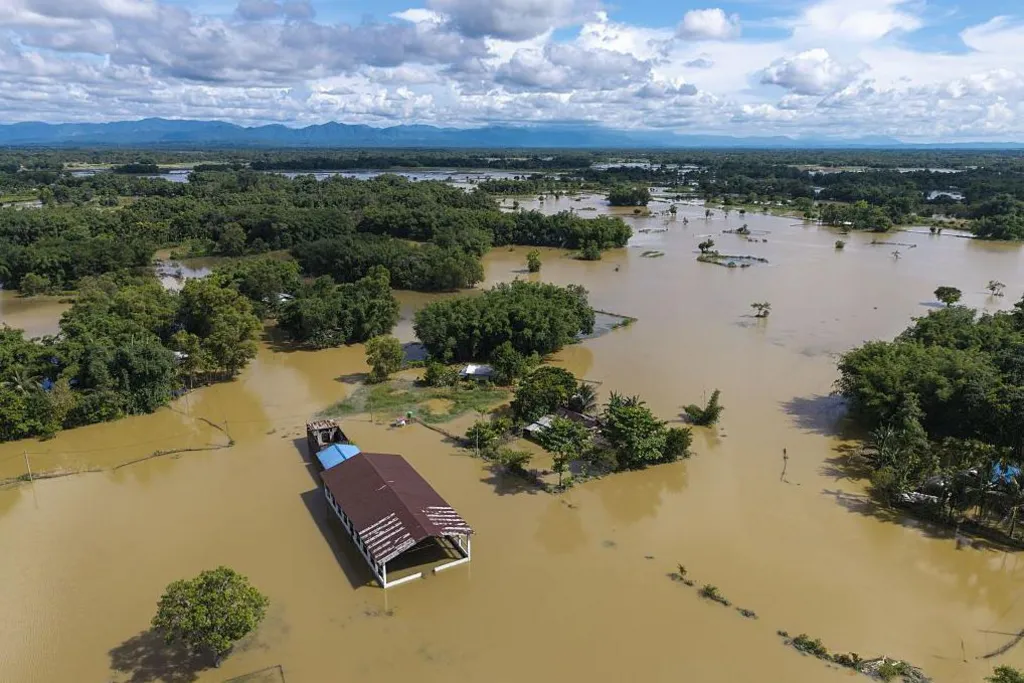
Dr. Dibyajyoti Saikia Criticizes Political Apathy, Urges Long-Term Rehabilitation for Victims
Guwahati, Assam — The annual floods and severe riverbank erosion in Assam have once again disrupted the lives of millions, leaving thousands of families homeless and struggling for survival. Responding to the humanitarian crisis, Dr. Dibyajyoti Saikia, General Secretary of the social organization Brothers, nationally recognized human rights activist, and senior social worker, has issued an emotional appeal calling on people across India to come together and support those affected.
Through Brothers, an organization that has been engaged in social service for the past 27 years, Dr. Saikia urged citizens to extend humanitarian assistance to flood victims who have lost everything. He emphasized that people from marginalized and vulnerable communities are in desperate need of support and that every contribution, regardless of size, can help rebuild lives during this difficult time.
Expressing concern over the suffering of displaced families, Dr. Saikia said that every human life is precious and that saving people facing hunger, thirst, and uncertainty must be the highest priority. He noted that many remote flood-affected areas continue to face severe shortages of food supplies, safe drinking water, medicines, and essential healthcare, particularly for children and pregnant women.
Dr. Saikia also criticized the response of political leaders and parties, stating that many politicians actively engage with people and make promises during election campaigns but fail to remain present when disasters strike. According to him, during times of crisis, public representatives often limit themselves to statements while affected communities are left to struggle on their own.
Appealing to flood victims to remain patient and united, Dr. Saikia encouraged people not to be misled by distractions but instead to peacefully raise their voices for their rights and dignity. He urged the Assam government to move beyond temporary relief camps and short-term aid by ensuring permanent rehabilitation measures, including secure land, safe housing, and dignified resettlement for displaced families.
He further stressed that distributing emergency relief every year is not enough. Instead, the government should implement scientific and long-term solutions to prevent riverbank erosion and recurring floods, enabling millions of people to escape the cycle of displacement and humanitarian hardship permanently.