Home Blog Page 30

At least 622 killed, 1,555 injured in East Afghanistan earthquake

0

Kabul, Afghanistan — The death toll from a powerful earthquake that struck eastern Afghanistan late Saturday has climbed to 622, with 1,555 others injured, the Ministry of Interior Affairs reported on Monday. Authorities warned that casualties could rise as rescue efforts continue in remote areas.

The 6.0-magnitude earthquake struck at 11:47 p.m. local time on August 31, with its epicenter located about 27 kilometers deep in Kunar province, according to the U.S. Geological Survey. The tremor shook buildings across the mountainous region, toppling homes and infrastructure.

RELATED NEWS : Himachal Pradesh Monsoon Tragedy: 310 Lives Lost, Hundreds of Roads Blocked

Kunar province bore the brunt of the disaster, with 610 fatalities and 1,300 injuries recorded, along with widespread destruction of residential areas. Neighboring Nangarhar province reported 12 deaths, 255 injuries, and dozens of homes damaged, Interior Ministry spokesman Abdul Mateen Qani said. Many of the affected homes were made from mud and wood, structures particularly vulnerable to seismic activity.

Authorities and humanitarian teams have mobilized rapidly to provide relief. Security, medical, transport, food and support units have been deployed to affected areas. Rescue teams from the Ministries of Defense, Interior, and Public Health are conducting search-and-rescue operations and airlifting critically injured patients to Nangarhar Regional Hospital, according to local media outlet TOLOnews.

Despite these efforts, officials warned that many villages in Kunar remain isolated due to landslides and damaged roads, complicating the delivery of aid. Humanitarian organizations are working to bring food, clean water, and medical supplies to survivors while assessing the scale of destruction in hard-to-reach areas.

Afghanistan, which faces ongoing economic hardship and limited infrastructure, is particularly vulnerable to natural disasters. Experts say the region’s mountainous terrain, combined with poorly constructed homes, contributes to high casualties during earthquakes.

International organizations, including the United Nations, WHO, and Red Crescent, have expressed concern and are coordinating with local authorities to provide emergency relief. Neighboring countries and donors are also reportedly mobilizing resources to assist affected communities.

The disaster comes amid ongoing challenges for Afghanistan’s population, including food insecurity, political instability, and the long-term impacts of prior natural disasters. Officials have urged residents in affected provinces to remain cautious as aftershocks continue.

Rescue teams continue to comb through the rubble, while authorities stress the importance of immediate humanitarian assistance to prevent further loss of life and alleviate suffering among the thousands displaced by the quake.


SOURCE : XINHUA |  Follow Us: Facebook | Instagram | Twitter | Youtube |
Global Spotlight on Beijing as SCO Leaders Gather and China Flaunts Military Might

0

Tianjin, China — China is staging a week of high-powered diplomacy and military display, hosting more than two dozen world leaders for the Shanghai Cooperation Organization (SCO) summit in Tianjin and a massive military parade in Beijing commemorating the 80th anniversary of the end of World War II. Together, the events offer a rare window into Beijing’s strategic ambitions, shifting alliances and growing efforts to expand its influence beyond Asia.


SCO Summit: Expanding Eurasian Cooperation

Founded in 2001 by China, Russia and four Central Asian nations, the SCO was initially conceived as a security forum to address cross-border terrorism and regional stability. Over time, it has evolved into a broad-based political and economic bloc, now counting 10 full members: China, Russia, Kazakhstan, Kyrgyzstan, Tajikistan, Uzbekistan, India, Pakistan, Iran and Belarus.

This year’s summit in Tianjin brings together leaders and representatives from nearly three dozen countries, underscoring the grouping’s expanding reach.

  • Russian President Vladimir Putin, Iranian President Masoud Pezeshkian, and Indian Prime Minister Narendra Modi lead the lineup of high-profile attendees.
  • Turkish President Recep Tayyip Erdogan and Egyptian Prime Minister Mostafa Madbouly are present as dialogue partners, highlighting SCO’s appeal beyond its core Eurasian base.
  • Delegations from Laos, Malaysia and Vietnam further reflect Beijing’s push to tighten its Southeast Asian partnerships.
  • Notably absent is Indonesia’s President Prabowo Subianto, who canceled his trip due to protests at home.

The Tianjin summit is expected to focus on regional security, trade connectivity, energy cooperation and counterterrorism, with Russia and Iran pushing for stronger coordination amid Western sanctions and conflicts.


Beijing Parade: Military Might on Display

Following the summit, the attention shifts to Beijing, where Xi Jinping will preside over a grand military parade down Chang’an Avenue on Wednesday. The spectacle is designed to demonstrate China’s growing defense capabilities, featuring:

  • More than 100 aircraft, including advanced fighter jets and bombers.
  • Dozens of missile systems and heavy artillery.
  • Thousands of PLA soldiers marching in lockstep through Tiananmen Square.

But just as significant as the weaponry will be the diplomatic optics.

While many SCO leaders are expected to stay for the parade, others — including India, Egypt and Turkey — will quietly leave beforehand. Their absence reflects political sensitivities; many U.S. partners avoid appearing alongside China at overt military showcases.

Filling the gap is an unexpected guest: North Korean leader Kim Jong Un. Although he skipped the SCO summit, Kim will stand shoulder-to-shoulder with Xi Jinping and Vladimir Putin at the parade — a striking tableau of authoritarian solidarity.

For Kim, this marks his first face-to-face meeting with Xi in over six years and his first multilateral appearance with global leaders since taking power in 2011.


Geopolitical Significance

The SCO summit and Beijing parade together project a carefully crafted image of China as both a regional convener and a military power.

For Beijing, the SCO reinforces its role as a leader in Eurasian cooperation, building alternatives to Western-dominated forums.
For Moscow, the parade provides a stage to demonstrate that Russia is not isolated despite the ongoing war in Ukraine.
For Pyongyang, Kim’s attendance signals North Korea’s willingness to align more openly with Beijing and Moscow at a time of heightened confrontation with the West.

The symbolism of Xi, Putin and Kim possibly seated together in Tiananmen Square is hard to miss. It comes as the United States and its allies intensify efforts to counter China’s influence and support Ukraine against Russia’s invasion.

Beijing has maintained formal neutrality on Ukraine but has refused to condemn Moscow’s actions. Western officials accuse China of supplying dual-use technology and critical components that help sustain Russia’s defense industry. Meanwhile, North Korea has reportedly sent soldiers and ammunition to aid Russian forces, cementing what analysts call an “axis of convenience” among the three powers.


Looking Ahead

The outcomes of the SCO summit will shape regional cooperation in energy, trade and security, while the Beijing parade is likely to deepen perceptions of a China-Russia-North Korea alignment in defiance of Western pressure.

As Beijing welcomes allies and partners while carefully managing absences, the week underscores China’s central role in reshaping the geopolitical balance across Eurasia — blending soft-power diplomacy with a hard-power show of force.


SOURCE : XINHUA |  Follow Us: Facebook | Instagram | Twitter | Youtube |

Malaysia Celebrates 68th Independence Anniversary with Grand Parade in Putrajaya

0

Kuala Lumpur, Malaysia – Malaysia marked the 68th anniversary of its independence on Sunday with a grand National Day parade in Putrajaya, the nation’s administrative capital, as tens of thousands of citizens and visitors gathered to celebrate the country’s journey since 1957.

The celebration, locally known as Hari Merdeka, saw more than 14,000 participants forming 81 contingents representing various sectors of Malaysian society — including civil servants, the armed forces, students, private organizations, and community groups. The event highlighted Malaysia’s diversity and the unity that underpins its national identity.

RELATED NEWS : Thai court dismisses prime minister over compromising phone call with Cambodian leader

King Sultan Ibrahim Sultan Iskandar presided over the ceremony, while Prime Minister Anwar Ibrahim, cabinet ministers, governors, and senior officials joined the audience, reflecting the event’s national importance.

The Royal Malaysian Air Force staged a spectacular fly-past with fighter jets, transport aircraft, and helicopters performing aerial maneuvers over Putrajaya Boulevard. On the ground, military parades, cultural troupes, school contingents, and decorated floats showcased the country’s progress in areas such as education, innovation, agriculture, digital technology, and environmental sustainability.

Patriotic songs, traditional dances, and theatrical performances added color to the celebrations, while spectators waved the Jalur Gemilang (national flag) with pride.

Prime Minister Anwar Ibrahim, in his National Day message, emphasized unity and inclusivity as the foundation of Malaysia’s strength. He called on citizens to uphold the spirit of Merdeka by working together across races, religions, and regions to ensure peace, stability, and economic progress.

Internationally, leaders from ASEAN, India, China, and other partner nations extended greetings to Malaysia on its National Day, commending the country’s contributions to regional peace, prosperity, and multilateral cooperation.

Ancient Roots of Malaysia

Malaysia’s history traces back to the Malay Peninsula, once a vibrant hub of trade dominated by powerful kingdoms such as Srivijaya and Malacca.

In 1511, the Portuguese captured Malacca, marking the start of colonial control. The British later expanded their influence, eventually colonizing the region.

After World War II, the British introduced the Malayan Union, but Malay leaders strongly opposed it, seeing it as a threat to sovereignty and the role of Malay rulers.

Federation of Malaya

In 1948, the Malayan Union was replaced by the Federation of Malaya Agreement, which preserved the powers of the Malay rulers and granted special rights to Malays.

Independence in 1957

On August 31, 1957, Tunku Abdul Rahman, Malaysia’s first prime minister, declared independence at Stadium Merdeka in Kuala Lumpur with the historic cry of “Merdeka!” shouted seven times.

August 31, 1957, marks the historic day when Malaysia, then Malaya, gained independence from British colonial rule. Sixty-eight years later, the country continues to reflect on its achievements while looking forward to its aspirations of becoming a high-income, innovation-driven economy and a hub of multicultural harmony.

Formation of Malaysia

In 1963, Malaysia was officially formed, comprising the Federation of Malaya, Singapore, Sabah, and Sarawak. Two years later, in 1965, Singapore separated from the federation.

Celebrating Hari Merdeka

Today, Malaysians commemorate Independence Day, known as Hari Merdeka, with colorful parades, cultural performances, and patriotic displays. The celebrations honor the nation’s history, heritage, and the unity that defines its people.

Politics and Diplomacy

As Malaysia celebrates its 68th Independence Day in 2025, its politics and diplomacy remain deeply shaped by history and cultural diversity. Over the decades, Malaysia has emerged as a credible middle power, practicing a balanced foreign policy rooted in active neutrality, non-alignment, and equidistant diplomacy. This approach has enabled the nation to foster strong ties with multiple countries while steering clear of major power rivalries.

In the contemporary era, Malaysia has carefully navigated complex geopolitical currents, especially in balancing relations with the United States and China. Guided by pragmatism, it has pursued an inclusive foreign policy, engaging with global powers while strengthening its role in regional organizations such as ASEAN.

Malaysia’s diplomacy emphasizes economic cooperation, regional security, and stability, while safeguarding sovereignty and national interests. At home, the country’s multicultural and multilingual character continues to shape its political outlook, reflecting a long-standing commitment to unity, diversity, and resilience as defining pillars of nationhood.


SOURCE : BERNAMA |  Follow Us: Facebook | Instagram | Twitter | Youtube |
PM Modi, Myanmar’s Senior General Hold Key Talks on Connectivity, Security at SCO Summit

0

Tianjin, China – Indian Prime Minister Narendra Modi and Myanmar’s Senior General Min Aung Hlaing held important bilateral talks on the sidelines of the Shanghai Cooperation Organisation (SCO) Summit 2025 in Tianjin, China. The meeting reaffirmed the strategic significance of Myanmar as a vital partner in India’s Act East and Neighbourhood First policies.

Prime Minister Modi emphasized that India sees *immense scope to enhance cooperation with Myanmar in diverse fields, including trade and investment, cross-border connectivity projects, energy collaboration, rare earth mineral exploration, and security partnerships. He underlined that a stronger relationship with Myanmar is crucial not only for regional development but also for ensuring peace and stability across South and Southeast Asia.

RELATED NEWS : Modi and Xi Reaffirm Partnership, Stress Peace on Borders at SCO Summit in Tianjin

India and Myanmar share 1,600 km of land and maritime borders, and their historical ties are built upon shared cultural, religious, and civilizational links. Buddhism forms a strong cultural bridge, while people-to-people exchanges, educational linkages, and cross-border community interactions have added depth to the relationship.

Economically, Myanmar is India’s gateway to Southeast Asia, playing a pivotal role in projects such as the India-Myanmar-Thailand Trilateral Highway and the Kaladan Multi-Modal Transit Transport Project, both of which aim to boost connectivity and economic integration. Bilateral trade currently exceeds \$2 billion annually, with significant potential for growth in sectors such as agriculture, energy, infrastructure, and digital technology.

On the security front, both sides reaffirmed cooperation to address cross-border challenges, including terrorism, insurgency, organized crime, and trafficking. India has been working closely with Myanmar’s security forces to ensure peace along the North-East border, which is crucial for regional stability.

The two leaders also discussed the importance of regional and multilateral platforms, including the SCO, BIMSTEC, and ASEAN-led mechanisms, in advancing peace, security, and sustainable development. Prime Minister Modi highlighted that Myanmar’s active participation in these forums strengthens the broader vision of a connected, prosperous, and stable Indo-Pacific region.

The meeting in Tianjin is being seen as a reaffirmation of India’s long-standing commitment to Myanmar, despite political and economic challenges. It reflects New Delhi’s belief that a strong and cooperative partnership with Myanmar is vital for advancing regional prosperity, connectivity, and security.


SOURCE : PMO |  Follow Us: Facebook | Instagram | Twitter | Youtube |
Yamuna Crosses Danger Mark in Delhi as Punjab, Himachal Reel Under Floods

0

New Delhi, India – The water level of the Yamuna River in the national capital crossed the danger mark on Sunday morning following days of continuous heavy rainfall, officials said.

At 8 pm, the Yamuna’s water level stood at 205.52 metres. The warning mark for Delhi is 204.5 metres, the danger mark is 205.3 metres, and evacuation begins once the river touches 206 metres. The Old Railway Bridge serves as a key observation point for monitoring the river’s flow and potential flood risks.

RELATED NEWS : Himachal Pradesh Monsoon Tragedy: 310 Lives Lost, Hundreds of Roads Blocked

“The river is rising mostly due to high volumes of water being released from the Wazirabad and Hathnikund barrages every hour. According to the forecast, the water level is likely to fall by Sunday evening,” an official from the central flood room said.

Data from the flood control department shows that the Hathnikund barrage is releasing around 53,950 cusecs of water every hour, while Wazirabad is discharging 51,210 cusecs. Water released from these upstream barrages typically takes 48 to 50 hours to reach Delhi, meaning even smaller discharges contribute to rising levels within the city.

The India Meteorological Department (IMD) has forecast a generally cloudy sky with moderate rain in Delhi until Tuesday, along with thunderstorms and rain through the coming week.

Authorities have set up a flood relief camp in Mayur Vihar to prepare for the possible evacuation of residents if the river swells further.

Meanwhile, heavy rains have also triggered floods in Punjab and Himachal Pradesh, disrupting normal life and causing damage to crops, property, and infrastructure. Several low-lying areas in Punjab are inundated, while landslides and flash floods have been reported in parts of Himachal, prompting evacuation efforts and deployment of relief teams.

Officials in both states have issued alerts and are closely monitoring river levels as more rainfall is expected in the coming days.


SOURCE : PTI |  Follow Us: Facebook | Instagram | Twitter | Youtube |

Xi Meets Vietnamese PM Pham Minh Chinh in Tianjin, Calls for Enhanced Strategic Ties

Tianjin, China – Chinese President Xi Jinping met with Vietnamese Prime Minister Pham Minh Chinh on Sunday on the sidelines of the Shanghai Cooperation Organization (SCO) Summit 2025 in Tianjin, reaffirming the importance of strengthening their comprehensive strategic cooperation.

Xi urged both sides to accelerate the implementation of agreements reached during his state visit to Hanoi in April, calling for “more substantive results” in bilateral collaboration. He highlighted cooperation in connectivity, digital economy, and artificial intelligence as new growth areas.

REALTED NEWS : China, Türkiye Pledge Stronger Cooperation at SCO Summit in Tianjin

Stressing the need for solidarity, Xi said China and Vietnam should maintain close high-level exchanges and enhance coordination in multilateral frameworks to safeguard the interests of the Global South.

Chinh reiterated that developing relations with China is a strategic choice and top priority for Vietnam. He emphasized Vietnam’s readiness to expand trade, boost investment, and strengthen people-to-people exchanges, noting that both nations share common strategic interests and socialist values.

Senior Chinese leaders Cai Qi, Wang Yi, and Chen Min’er were present at the meeting.


China, Vietnam Commit to Expanding Cooperation at SCO Tianjin Summit

Tianjin, China – Chinese President Xi Jinping and Vietnamese Prime Minister Pham Minh Chinh pledged on Sunday to deepen bilateral cooperation as the two leaders met during the Shanghai Cooperation Organization (SCO) Summit 2025 in Tianjin.

Xi called for stronger implementation of agreements reached during his April visit to Hanoi, urging both sides to translate consensus into concrete results. He said China and Vietnam should remain confident in their chosen paths, strengthen solidarity, and broaden cooperation in digital economy, connectivity, and artificial intelligence.

Chinh said Vietnam regards ties with China as a top priority of its foreign policy and reaffirmed Hanoi’s readiness to align strategies with Beijing, expand trade, and promote people-to-people exchanges. He praised China’s development achievements and its contributions to the global economy.

Both sides also agreed to enhance multilateral coordination and safeguard the common interests of the Global South.


Xi Meets Vietnam’s Pham Minh Chinh, Calls for Stronger Strategic Partnership

Tianjin, China – President Xi Jinping on Sunday held talks with Vietnamese Prime Minister Pham Minh Chinh in Tianjin, where the Vietnamese leader is attending the Shanghai Cooperation Organization (SCO) Summit 2025.

Xi said China and Vietnam should intensify cooperation and ensure that the consensus reached during his state visit to Vietnam in April delivers practical outcomes. He stressed advancing cooperation in key sectors such as infrastructure, digital technologies, and artificial intelligence, and urged both nations to work together to safeguard the interests of developing countries.

Chinh reaffirmed Vietnam’s commitment to its comprehensive strategic partnership with China, calling it a cornerstone of Hanoi’s foreign policy. He said Vietnam is keen to deepen economic, investment, and cultural exchanges with Beijing, adding that the two countries share not only strategic interests but also socialist values.

The meeting was attended by senior Chinese officials Cai Qi, Wang Yi, and Chen Min’er.


SOURCE : XINHUA |  Follow Us: Facebook | Instagram | Twitter | Youtube |

China, Türkiye Pledge Stronger Cooperation at SCO Summit in Tianjin

Tianjin, China – Chinese President Xi Jinping on Sunday met with Turkish President Recep Tayyip Erdogan, who is in China’s port city of Tianjin to attend the Shanghai Cooperation Organization (SCO) Summit 2025.

Xi said China and Türkiye, as emerging major countries with a spirit of independence, have achieved high-level development in their bilateral relations, which serves the fundamental interests of both nations and the wider Global South.

RELATED NEWS : Modi and Xi Reaffirm Partnership, Stress Peace on Borders at SCO Summit in Tianjin

He called on both sides to follow the global trend of peace, development, and win-win cooperation, and to work together toward building a global governance system that is more just and equitable.

Next year will mark the 55th anniversary of the establishment of diplomatic ties between China and Türkiye. Xi stressed the need to use this milestone to deepen political mutual trust, support each other on core interests and major concerns, and expand cooperation in counter-terrorism and security. He also highlighted opportunities for collaboration in new energy, 5G technology, and biomedicine, along with greater coordination in multilateral platforms to safeguard fairness and justice.

President Erdogan said Türkiye is ready to maintain close high-level exchanges with China, advance high-quality Belt and Road cooperation, and boost cooperation in infrastructure and new energy sectors to drive robust bilateral growth. He also noted Türkiye’s willingness to enhance cooperation within the SCO framework and praised China’s fair stance on the Middle East issue.

Senior Chinese officials Cai Qi, Wang Yi, and Chen Min’er were present at the meeting.


SOURCE : XINHUA |  Follow Us: Facebook | Instagram | Twitter | Youtube |
Modi and Xi Reaffirm Partnership, Stress Peace on Borders at SCO Summit in Tianjin

0

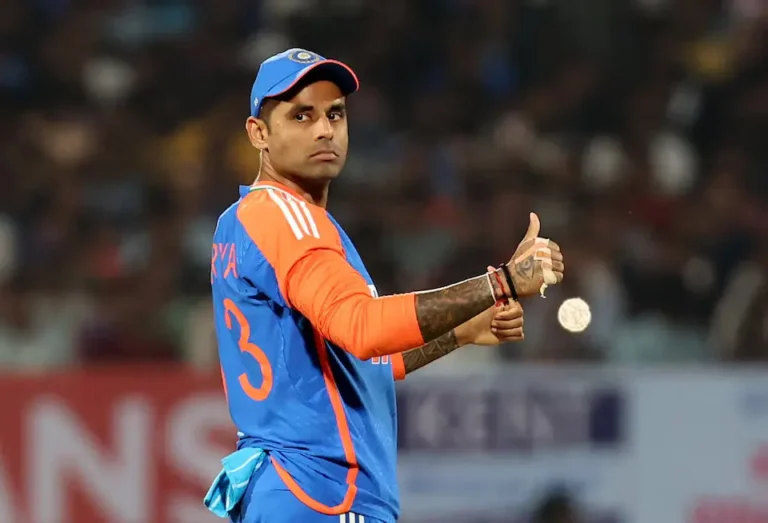
Tianjin, China – Prime Minister Narendra Modi and Chinese President Xi Jinping on Sunday reaffirmed that India and China are development partners, not rivals, and emphasized that differences should not be allowed to turn into disputes. The two leaders met on the sidelines of the Shanghai Cooperation Organization (SCO) Summit in Tianjin.

Prime Minister Modi underlined the importance of peace and tranquillity along the border areas for the continued growth of bilateral relations. Both sides expressed satisfaction at the successful disengagement last year and the maintenance of stability along the frontier since then.

RELATED NEWS : China, Armenia Forge Strategic Partnership at SCO Tianjin Summit

The leaders pledged commitment to a fair, reasonable, and mutually acceptable resolution of the boundary question, building on the political perspective of overall bilateral ties and the long-term interests of their peoples. They also welcomed recent progress in the talks between the two Special Representatives and agreed to continue supporting the process.

Modi and Xi highlighted the importance of strengthening people-to-people ties, including through direct flights, visa facilitation, and the resumption of the Kailash Manasarovar Yatra. On trade, they acknowledged the stabilizing role of the two economies in global commerce and called for expanded cooperation to address the trade imbalance.

Both leaders reiterated that India and China pursue strategic autonomy and independent foreign policies, and that their relationship should not be shaped by the influence of a third country. They agreed on the need to broaden common ground on regional and global challenges such as terrorism and fair trade.

Xi Jinping stressed that China and India are opportunities for each other’s development rather than threats. He described the two nations as important members of the Global South with a shared responsibility to promote solidarity among developing countries. He also called for strengthening trust, deepening cooperation, and pursuing a long-term perspective as the two countries mark the 75th anniversary of diplomatic ties.

Modi noted that since his meeting with Xi in Kazan last year, bilateral relations have been on a positive trajectory, with peace maintained in border areas and preparations underway to resume direct flights. He reaffirmed India’s readiness to seek a fair and mutually acceptable boundary settlement, adding that closer cooperation between the two Asian giants would help make the 21st century a true “Asian century.”

Senior Chinese officials Cai Qi, Wang Yi, and Chen Min’er also attended the meeting.


SOURCE : XINHUA/ONAIR |  Follow Us: Facebook | Instagram | Twitter | Youtube |

Lucknow Firecracker Factory Blast Kills 2, Injures 3

0

Lucknow, India — A massive blast rocked the Behta Bazar area of Lucknow on Sunday, killing two people and injuring three others in what authorities confirmed was an illegal firecracker factory operating inside a residential house.

The explosion occurred in the home of Alam, who along with his wife Munni died in the accident. Their son Irshad, and neighbors Nadeem and Hoor Jaha, sustained injuries and were rushed to a local hospital for treatment. Doctors say all three are now stable.

The blast was so powerful that it brought down a portion of the roof and caused structural damage to several nearby houses. Shocked residents described the sound as “deafening,” with tremors felt in adjoining lanes.

District Magistrate Vishak G said preliminary investigations suggest the firecracker unit was being run illegally. “The role of local police will also be examined, and strict action will follow,” he said.

Specialized teams including the SDRF, NDRF, bomb squad, forensic experts, and fire services were deployed immediately to carry out rescue operations and assess the damage.

Authorities have cordoned off the area, and a formal investigation into the cause of the blast is underway.


SOURCE : Social Media |  Follow Us: Facebook | Instagram | Twitter | Youtube |
China, Armenia Forge Strategic Partnership at SCO Tianjin Summit

0

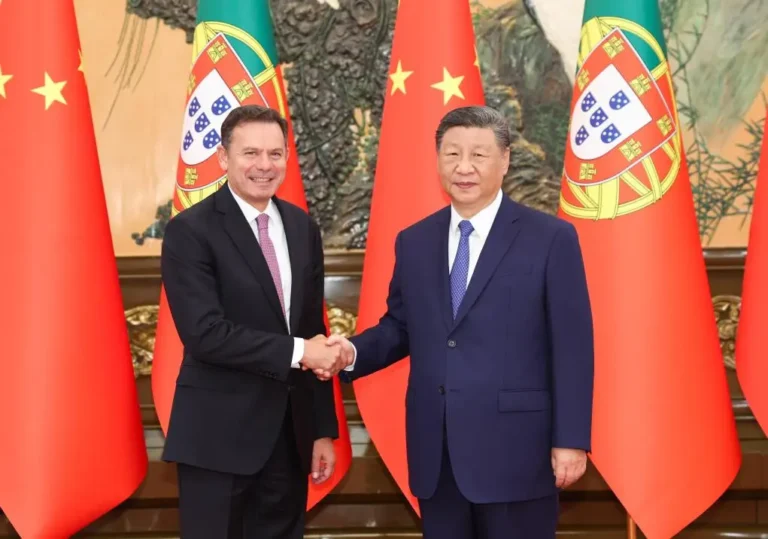
Tianjin, China — Chinese President Xi Jinping and Armenian Prime Minister Nikol Pashinyan on Sunday announced the establishment of a strategic partnership between their countries during a meeting in the port city of Tianjin, ahead of the Shanghai Cooperation Organization (SCO) Summit 2025.

Prime Minister Pashinyan is in China to attend the SCO summit and participate in commemorative events marking the 80th anniversary of the victory in the Chinese People’s War of Resistance against Japanese Aggression and the World Anti-Fascist War.

RELATED NEWS : Who are the world leaders attending China’s Tianjin summit and military parade

President Xi noted that since the establishment of diplomatic relations 33 years ago, China and Armenia have enjoyed healthy and steady development of bilateral ties. He said the elevation of ties to a strategic partnership marks a new milestone in the relationship. Xi also expressed support for Armenia’s aspiration to join the SCO, pledging that China is ready to work with Armenia to uphold true multilateralism and advance the vision of a community with a shared future for humanity.

Currently, Armenia holds the status of a dialogue partner in the SCO.

Prime Minister Pashinyan reaffirmed Armenia’s firm adherence to the One-China principle and expressed eagerness to strengthen economic and trade cooperation with Beijing, enhance coordination in regional and international affairs, and foster closer political dialogue. He also highlighted the importance of Armenia’s “Crossroads of Peace” initiative, aimed at boosting regional and interregional stability, which he said aligns with China’s Belt and Road Initiative (BRI). Armenia was among the earliest nations to officially join the BRI.

Following their talks, both sides issued a joint statement on the establishment of the strategic partnership and signed several bilateral cooperation agreements covering diverse fields.

Senior Chinese officials Cai Qi, Wang Yi, and Chen Min’er attended the meeting. Pashinyan expressed gratitude for the warm hospitality extended by China and underscored that the high-level political dialogue between the two nations is reflected in their mutual support on key issues of national interest.

The leaders also emphasized the need to expand cooperation in science, education, culture, tourism, information, and metrology, agreeing to deepen collaboration under the SCO framework.


SOURCE : XINHUA |  Follow Us: Facebook | Instagram | Twitter | Youtube |