World Environment Day, one of the world’s largest environmental awareness campaigns, is observed annually on June 5. Established by the United Nations General Assembly in 1972 and first celebrated in 1973, the day serves as a global platform to encourage action for environmental protection and sustainable development.
The observance was created following the historic United Nations Conference on the Human Environment, the first major international conference focused on environmental issues. On the same occasion, the establishment of the United Nations Environment Programme was approved, laying the foundation for coordinated global environmental action.
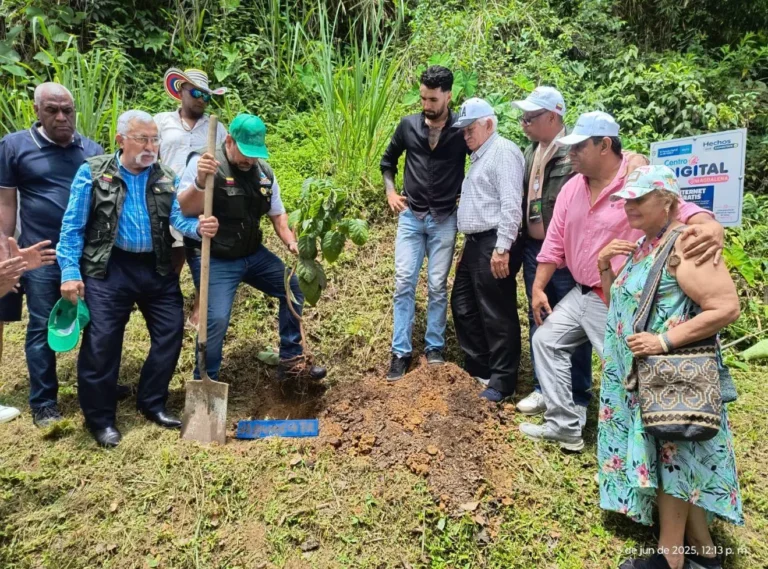
Every year, governments, organizations, businesses, and communities around the world mark the day through tree-planting drives, environmental awareness campaigns, recycling initiatives, eco-concerts, educational programs, and community activities aimed at protecting natural resources and promoting a greener future.
Since its inception, World Environment Day has played a vital role in raising environmental awareness and inspiring collective action to address pressing global challenges, including climate change, biodiversity loss, pollution, and sustainable resource management.
On this special occasion, Dr. Dayamy Rodríguez, CEO and Founder, and Dr. Luis Suárez, President and Chief Curator of the Suárez Museum of Natural Science & History, extended their warm greetings and best wishes to people worldwide, encouraging continued commitment to environmental conservation and the protection of our planet for future generations.
“Together, we can create a cleaner, healthier, and more sustainable world for all,” they stated in their World Environment Day message.