Uttarakhand, India — Nestled in the lap of the Himalayas, Uttarakhand—reverently known as Dev Bhoomi (Land of the Gods)—stands as one of India’s greatest natural and spiritual treasures. Snow-capped peaks, crystal-clear rivers, dense forests, alpine meadows, and sacred pilgrimage sites have made the state a symbol of ecological richness and cultural heritage. For centuries, its pristine landscapes have inspired millions while sustaining an extraordinary diversity of life.
Yet beneath this breathtaking beauty lies an environmental crisis that can no longer be ignored.
Having travelled extensively across Uttarakhand, I have witnessed firsthand the state’s remarkable ecological diversity. Within a few hours’ journey, the landscape transforms dramatically—from lush forests and winding rivers to towering mountains and glacial terrain. This unique geographical richness makes Uttarakhand not only invaluable to India but also an environmental asset of global importance.
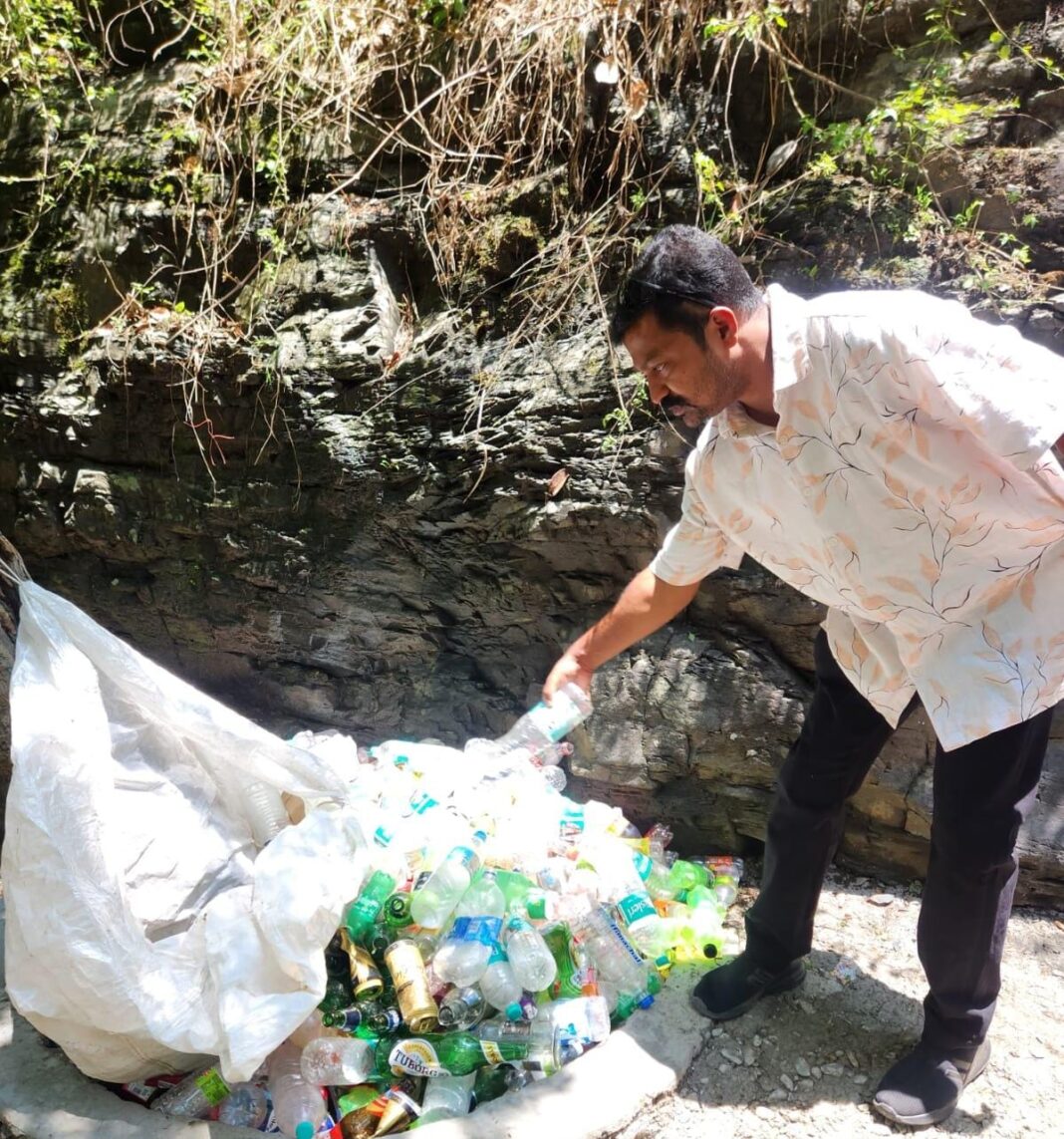
However, the fragile Himalayan ecosystem is increasingly under threat from unchecked human activity. One of the most visible and alarming challenges is the growing menace of plastic pollution. Tourist destinations, pilgrimage routes, mountain highways, and riverbanks are increasingly strewn with discarded plastic bottles, food wrappers, and other non-biodegradable waste.
What may seem like careless littering carries devastating long-term consequences. Plastic waste contaminates rivers and streams, threatens wildlife, degrades soil quality, and disrupts delicate ecosystems. In the mountainous terrain of Uttarakhand, plastic waste often blocks natural drainage channels, significantly increasing the risk of flash floods and landslides during heavy rainfall.
Plastic pollution, however, is only part of a much larger environmental challenge. Rapid urbanization, unplanned infrastructure development, reckless construction, deforestation, and unsustainable tourism are placing unprecedented pressure on one of the world’s most fragile mountain ecosystems.
Environmental scientists have repeatedly warned that the Himalayan region is exceptionally vulnerable to climate change. The increasing frequency of flash floods, landslides, glacier-related disasters, cloudbursts, and extreme weather events serves as a stark reminder that the ecological balance of the region is under severe strain.
Development is essential for economic growth, but development that ignores environmental sustainability ultimately becomes self-defeating. Infrastructure expansion, tourism, and urban growth must be carefully planned to preserve the natural systems upon which Uttarakhand’s future depends. Protecting forests, rivers, glaciers, and biodiversity is not an obstacle to development—it is the foundation of long-term prosperity.
Safeguarding Dev Bhoomi cannot be the responsibility of governments alone. It requires collective action involving policymakers, local communities, environmental organizations, businesses, and every visitor who enters these sacred mountains.
Authorities must strengthen waste management systems, particularly in high-footfall tourist destinations and pilgrimage corridors. Strict enforcement against littering, improved recycling infrastructure, responsible tourism policies, and sustainable urban planning should become national priorities.
Equally important is the role of tourists. Every visitor should embrace the principle: “Leave behind memories, not waste.” Respect for nature must become an integral part of every journey through the Himalayas.
Public awareness campaigns, environmental education, and community-led conservation initiatives can play a transformative role in fostering environmental responsibility. Local communities, who are often the first to witness ecological degradation, must be empowered with resources, training, and policy support to protect their natural surroundings.
Uttarakhand is far more than a tourist destination. It is a living ecosystem, a spiritual sanctuary, the source of major rivers that sustain millions of people, and a cornerstone of India’s environmental security. If current trends continue unchecked, future generations risk inheriting polluted rivers, degraded forests, and mountains scarred by irresponsible development.
The choice before us is clear. We can either act decisively today to preserve the ecological integrity of Dev Bhoomi or face increasingly severe environmental consequences in the decades ahead.
Protecting Uttarakhand is not merely about conserving one Indian state—it is about safeguarding a natural heritage that belongs to humanity. The time for meaningful, collective action is now, before the silence of the Himalayas is replaced by the irreversible consequences of our neglect.
SOURCE :David Babu | Follow Us: Facebook | Instagram | Twitter | Youtube