Home Blog Page 16

Indian Community in Rwanda Congratulates PM Modi on 12 Years of Leadership

0

The Indian Community in Rwanda and the Africa Division of the The Diplomatic Club have extended their heartfelt congratulations to Narendra Modi on the completion of 12 years of leadership as Prime Minister of India.

In a congratulatory message, Dr. Saurabh Singhal, Head of the Rwanda Chapter of The Diplomatic Club – Africa Division, praised Prime Minister Modi’s transformative governance, economic reforms, digital innovation initiatives, and efforts to strengthen India’s position as a leading global economic power.

The organization highlighted India’s progress under the vision of Viksit Bharat 2047, noting significant achievements in commerce, entrepreneurship, technology, and global diplomacy. The message also acknowledged the Prime Minister’s role in strengthening India-Africa relations through enhanced cooperation in trade, manufacturing, digital innovation, capacity building, and economic development.

Dr. Singhal expressed gratitude to members of the Indian community in Rwanda for promoting the values of unity, service, and national pride, emphasizing the diaspora’s continued commitment to India’s growth and global success.

Reaffirming their support for a developed and prosperous India, community members stated that Indians living abroad remain firmly connected to their homeland and are proud contributors to India’s journey toward greater prosperity, innovation, and global leadership.

“Together, we look forward to witnessing India’s continued progress towards Viksit Bharat 2047 and contributing to the nation’s journey of growth and global leadership,” Dr. Singhal said.


Thai Princess Bajrakitiyabha, who was known for her legal work, dies at 47

0

Bangkok, Thailand — Thailand’s Princess Bajrakitiyabha Mahidol, a lawyer and the eldest of King Maha Vajiralongkorn’s children, has died at 47, the Bureau of the Royal Household said.

She died Thursday evening at a Bangkok hospital where she had been cared for since falling unconscious due to illness three years ago, according to the statement issued Friday.

“This loss is not merely bad news announced to the people, but an immeasurable grief in the hearts of the entire nation,” Prime Minister Anutin Charnvirakul said in a televised speech. He said the princess was “a pride of Thailand,” and that “her commitment to building a society of kindness, justice, and equality, will forever remain as a moral legacy for the nation, a guiding light for generations of Thais.”

A small group of mourners gathered in an atrium at King Chulalongkorn Memorial Hospital, where the princess had been treated. Most held framed or laminated photos of her throughout the years.

Pattamaporn Kaewkityakorn said she had arrived Thursday and spent the night there to show her support for the princess, unaware that the announcement of her passing would come the following morning.

“I know she was sick, but I wished there were a miracle,” she said, her voice trembling. “I was saddened and shocked.”

Bajrakitiyabha was active in justice reform efforts and best known for her Kamlangjai, or “Inspire,” project to help rehabilitate incarcerated Thai women ahead of their release.

Bajrakitiyabha was hospitalized in December 2022 after falling unconscious while training dogs for an army exhibition. The palace said she had a mycoplasma infection, a bacterial infection usually associated with pneumonia.

Her father’s New Year’s greeting card for 2023 showed King Maha Vajiralongkorn and Queen Suthida garbed in somber black, which many Thais saw as confirmation of the gravity of her condition.

The princess was born on Dec. 7, 1978, to Vajiralongkorn, who was the crown prince at the time, and his then-wife, Princess Soamsawali. Vajiralongkorn has seven children by three of his four successive wives. Bajrakitiyabha was also known by the royal name Bajrakitiyabha Narendira Debyavati, used in formal state settings.

Prince Dipangkorn Rasmijoti, the youngest of the king’s children, is the presumptive heir because sons take precedence in Thailand’s line of succession. But Bajrakitiyabha’s experience in public service raised speculation she was set to hold an important role in any future succession, perhaps as regent to a youthful monarch.

Bajrakitiyabha studied law at Thammasat University then went to Cornell University in New York state, where she earned a master’s degree in law in 2002. She earned a doctorate at Cornell in 2005 with a dissertation concerning the protection of the rights of the accused. Scholarships to Cornell Law School and a program for the exchange of legal scholars between Thailand and Cornell were later established in her name.

After working briefly at the Thai Mission to the U.N. in New York City, she returned home and worked as a public prosecutor. She renewed her diplomatic career with an appointment as Thailand’s ambassador to Austria from 2012 to 2014 before returning to her homeland to concentrate on criminal justice issues. In 2017 she was appointed a goodwill ambassador for the U.N. Office on Drugs and Crime.

In addition to working for the rehabilitation of female convicts, she was involved in other projects including a campaign to enhance the living conditions of women prisoners and promoting efforts to stem violence against women as an honorary U.N. goodwill ambassador for women. Her efforts led to the U.N. General Assembly adopting the “Bangkok Rules” on care and conditions for female prisoners.

“Society cannot grow if there is instability and injustice,” Bajrakitiyabha said in a 2013 interview with The Associated Press.

“Without the rule of law, without a good justice system, it’s always chaos,” she said. “I think the rule of law is a very important pillar to development, to economic growth, and of course to human rights.”

Bajrakitiyabha is survived by her parents and siblings.



Shakira, Maná and Global Stars Dazzle at 2026 FIFA World Cup opening ceremony in Mexico City

Mexico City — The 2026 FIFA World Cup opened in spectacular fashion at the iconic Azteca Stadium in Mexico City, with a star-studded musical celebration showcasing Latin America’s rich cultural heritage before the tournament’s opening match between Mexico and South Africa.

The ceremony began with acclaimed Mexican singer Lila Downs, who welcomed fans from around the world with the message, “People of the world, welcome to Mexico.” Dressed in a traditional white huipil, Downs performed alongside dancers paying tribute to Mexico’s indigenous and pre-Hispanic cultures, creating a vibrant display of national pride.

Legendary Mexican rock band Maná energized the crowd with their iconic hit “Oye Mi Amor,” setting the stage for the kickoff of football’s biggest tournament. Representing Guadalajara, one of the host cities, the band’s performance highlighted Mexico’s deep musical and sporting traditions.

The entertainment continued with performances from artists featured on the official FIFA World Cup album. Venezuelan singer Danny Ocean performed “Partidazo,” followed by “Por Ella,” presented by Belinda and Los Ángeles Azules, delighting fans with a blend of contemporary and traditional Latin sounds.

Colombian superstar J Balvin brought the stadium to life with performances of “Qué Calor” alongside fellow Colombian Ryan Castro, and “I Like It,” creating a festive atmosphere that celebrated the spirit of Latin music and culture.

The evening reached its climax with the appearance of global music icon Shakira, who performed “Dai Dai,” the official anthem of the 2026 FIFA World Cup, alongside visuals celebrating unity, diversity, and the global passion for football. Surrounded by hundreds of dancers and dressed in a striking yellow and purple ensemble, Shakira delivered a memorable performance as the World Cup trophy shone at center stage.

The ceremony also featured plans for renowned Mexican singer Alejandro Fernández to perform the Mexican national anthem, while South African artist Tyla was expected to perform the South African national anthem before kickoff.

The 2026 FIFA World Cup marks a historic milestone as the first edition to be hosted by three nations—Mexico, United States, and Canada. The expanded tournament will feature 48 teams competing across 104 matches.

Forty years after hosting the 1986 FIFA World Cup, Mexico once again takes center stage in world football, ushering in a new era for the sport with an unforgettable opening celebration that welcomed fans from every corner of the globe.


Xi Visits North Korea to strengthen Beijing–Pyongyang ties

0

Pyongyang, North Korea — Chinese President Xi Jinping arrived in North Korea on Monday for a two-day state visit aimed at strengthening bilateral relations and reaffirming Beijing’s influence over its longtime ally amid evolving regional geopolitical dynamics.

Xi, accompanied by First Lady Peng Liyuan, was welcomed in Pyongyang as part of his first visit to North Korea in seven years. The Chinese delegation includes senior Communist Party official Cai Qi and Foreign Minister Wang Yi.

The visit comes at a significant time as North Korea continues to expand its nuclear capabilities and deepen its strategic partnership with Russia. Analysts view the trip as an effort by Beijing to underscore its role as Pyongyang’s principal political partner and economic supporter while maintaining stability on the Korean Peninsula.

During the visit, Xi is expected to hold talks with North Korean leader Kim Jong Un on regional security, economic cooperation, and strengthening strategic communication between the two neighboring countries.

In an article published by North Korea’s state media ahead of the visit, Xi emphasized the importance of enhancing cooperation and jointly opposing “hegemonism and power politics,” signaling Beijing’s intention to deepen coordination with Pyongyang amid shifting global alliances.

The visit follows a period of renewed engagement between China and North Korea after relations cooled during the COVID-19 pandemic. Recent months have seen the resumption of rail and air connections between the two capitals, reflecting efforts to revitalize bilateral exchanges.

Observers are closely monitoring whether the discussions will reveal any changes in China’s long-standing position regarding the denuclearization of the Korean Peninsula. While Beijing has historically supported a nuclear-free peninsula, recent diplomatic exchanges have sparked speculation about China’s evolving approach toward North Korea’s growing nuclear capabilities.

The trip also comes as North Korea continues to strengthen ties with Russia under a comprehensive strategic partnership agreement signed in 2024, adding a new dimension to regional security dynamics.

For Beijing, the visit highlights the strategic importance of maintaining strong relations with its only formal military ally. For Pyongyang, hosting the Chinese leader reinforces its diplomatic standing and underscores the enduring significance of China-North Korea relations.

Regional governments, including South Korea, Japan, and the United States, are expected to closely watch the outcomes of the high-level meetings for signals regarding future cooperation, security policy, and regional stability in Northeast Asia.

SOURCE : Bloomberg |  Follow Us: Facebook | Instagram | Twitter | Youtube |


World environment day celebrated globally to promote environmental protection

World Environment Day, one of the world’s largest environmental awareness campaigns, is observed annually on June 5. Established by the United Nations General Assembly in 1972 and first celebrated in 1973, the day serves as a global platform to encourage action for environmental protection and sustainable development.

The observance was created following the historic United Nations Conference on the Human Environment, the first major international conference focused on environmental issues. On the same occasion, the establishment of the United Nations Environment Programme was approved, laying the foundation for coordinated global environmental action.

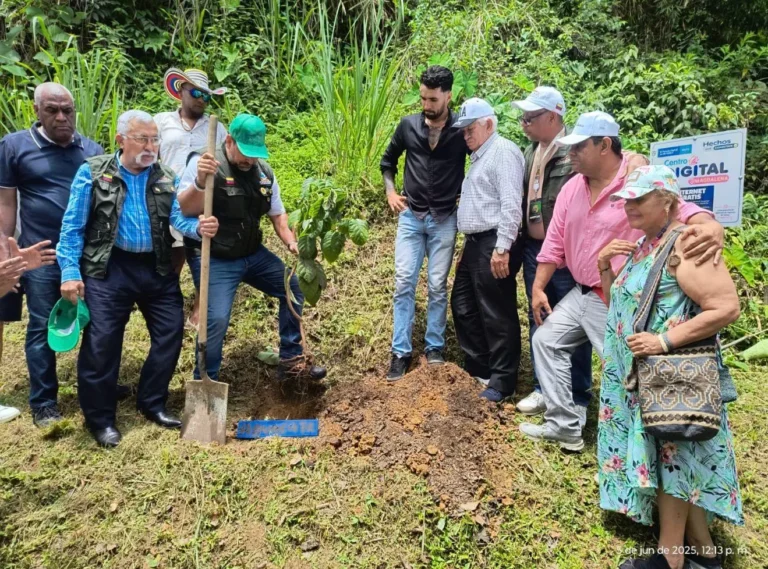
Every year, governments, organizations, businesses, and communities around the world mark the day through tree-planting drives, environmental awareness campaigns, recycling initiatives, eco-concerts, educational programs, and community activities aimed at protecting natural resources and promoting a greener future.

Since its inception, World Environment Day has played a vital role in raising environmental awareness and inspiring collective action to address pressing global challenges, including climate change, biodiversity loss, pollution, and sustainable resource management.

On this special occasion, Dr. Dayamy Rodríguez, CEO and Founder, and Dr. Luis Suárez, President and Chief Curator of the Suárez Museum of Natural Science & History, extended their warm greetings and best wishes to people worldwide, encouraging continued commitment to environmental conservation and the protection of our planet for future generations.

“Together, we can create a cleaner, healthier, and more sustainable world for all,” they stated in their World Environment Day message.


India appoints Dr. Ajay Kumar as next High Commissioner to Uganda

0

New Delhi, India —  In a significant diplomatic appointment aimed at strengthening India’s engagement with East Africa, the Ministry of External Affairs (MEA) has appointed Dr. Ajay Kumar as the next High Commissioner of India to the Republic of Uganda.

“Dr. Ajay Kumar (IFS: 2002), presently posted at the Embassy of India in Washington, has been appointed as the next High Commissioner of India to the Republic of Uganda. He is expected to take up the assignment shortly.”

READ MORE : Dr. Vinod J. Bahade appointed as India’s next ambassador to Colombia

A senior officer of the Indian Foreign Service (IFS), Dr. Kumar has served in several key diplomatic assignments during his career. Prior to his appointment, he was posted at the Embassy of India in Washington, D.C., where he was involved in advancing India-U.S. strategic cooperation across multiple sectors.

His appointment reflects India’s continued focus on deepening diplomatic, economic, and development partnerships with African nations. Uganda is one of India’s key partners in East Africa, with cooperation spanning trade, investment, healthcare, education, agriculture, defence, digital technology, and capacity building.

India and Uganda share longstanding historical ties, strengthened by a vibrant Indian diaspora and regular high-level engagements. Bilateral trade has continued to grow, while India remains an important development partner through capacity-building initiatives, Lines of Credit, and technical cooperation.

As High Commissioner, Dr. Ajay Kumar is expected to further enhance bilateral relations, expand economic collaboration, and reinforce India’s strategic partnership with Uganda as New Delhi continues to strengthen its presence across the African continent.


SOURCE : MEA |  Follow Us: Facebook | Instagram | Twitter | Youtube


Dr. Vinod J. Bahade appointed as India’s next ambassador to Colombia

0

New Delhi, India  The Government of India has appointed Dr. Vinod J. Bahade as the next Ambassador of India to the Republic of Colombia, the Ministry of External Affairs (MEA) announced on Wednesday.

Dr. Bahade is a senior Indian Foreign Service (IFS) 2007 batch officer with extensive diplomatic experience. Before his current posting Ambassador to Colombia he was serving as Joint Secretary in the Ministry of External Affairs, where he handled key diplomatic responsibilities. He hails from Chandrapur district in Maharashtra.

His appointment comes as India continues to strengthen its engagement with Latin America and deepen strategic, economic, and diplomatic ties with Colombia.

India and Colombia enjoy warm and friendly relations, with cooperation expanding across trade, investment, information technology, pharmaceuticals, renewable energy, agriculture, education, and multilateral forums. Both countries have also enhanced collaboration in innovation, capacity building, and cultural exchanges.

Dr. Bahade is expected to play a key role in advancing bilateral cooperation and exploring new opportunities for partnership between New Delhi and Bogotá as India continues to expand its diplomatic outreach across the Latin American region.


SOURCE : MEA |  Follow Us: Facebook | Instagram | Twitter | Youtube


US-Iran Ceasefire 2026: Last-Minute Diplomacy Prevents Major War Escalation

0

Middle East | April 8, 2026: In a dramatic turn of events, the United States and Iran agreed to a two-week ceasefire early Wednesday, stepping back from the brink of a potentially devastating escalation after nearly six weeks of intense conflict that had rattled global stability.

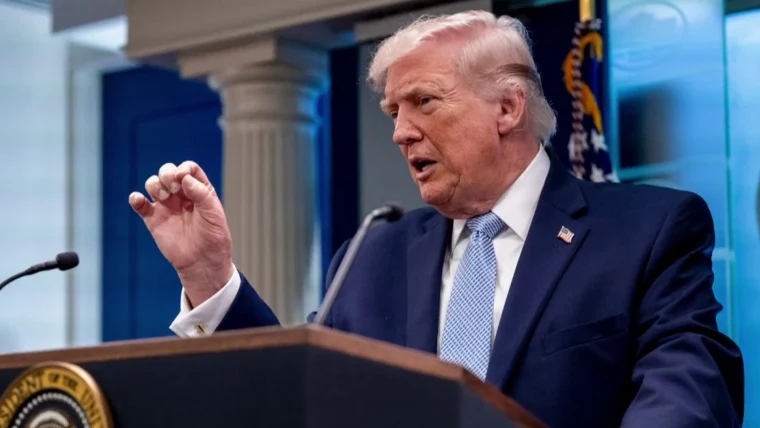
The breakthrough came in the final hours before a self-imposed deadline set by US President Donald Trump, whose increasingly aggressive rhetoric had raised fears of a much larger and more destructive war.

Last-Minute Diplomacy Averts Escalation

As tensions peaked on Tuesday, diplomatic channels worked frantically behind the scenes. With less than 90 minutes remaining before the deadline, Pakistan-mediated negotiations succeeded in securing a temporary truce between Washington and Tehran.

Under the agreement:

  • Both sides will halt all military operations for two weeks
  • The strategically critical Strait of Hormuz will be reopened for global shipping
  • Further negotiations for a permanent settlement are scheduled in Islamabad on Friday

The agreement was widely seen as a crucial pause in a conflict that threatened to spiral into a broader regional war.

Trump’s ‘Apocalyptic’ Warnings Spark Global Alarm

In the hours leading up to the ceasefire, President Trump issued stark warnings, stating that if Iran failed to reopen the Strait of Hormuz by Tuesday evening (Washington time), the US would launch large-scale attacks targeting Iran’s infrastructure.

He warned that:

  • Iran could be pushed back to the “Stone Age”
  • A “whole civilisation” could be destroyed

These remarks triggered global concern, with several world leaders condemning the language as extreme and dangerous. Analysts warned that such rhetoric increased the risk of miscalculation, while global markets reacted sharply amid fears of wider conflict.

Speculation also grew over whether the US administration might consider more extreme military options, including the potential use of unconventional weapons, although no official confirmation supported such claims.

Israel Joins Ceasefire — With Conditions

Israel, which had been actively involved in the conflict, also agreed to pause its military operations. However, it clarified that the ceasefire does not apply to Lebanon, leaving a key flashpoint in the region unresolved.

This partial inclusion highlights the fragile and limited scope of the current agreement.

Global Markets and Strategic Stakes

The conflict had already begun to impact:

  • Global oil prices, due to risks around the Strait of Hormuz
  • Shipping routes, critical for international trade
  • Investor confidence, amid fears of prolonged instability

The reopening of the Strait is expected to provide short-term relief to global markets, though uncertainty remains high.

From ‘Stone Age’ to ‘Golden Age’?

Following the ceasefire announcement, Trump took to social media, suggesting the agreement could usher in a “Golden Age for the Middle East.”

However, experts remain cautious.

While the ceasefire marks a significant de-escalation, several key issues remain unresolved:

  • Long-term security arrangements
  • Regional alliances and proxy conflicts
  • Economic and sanctions-related disputes

What Happens Next?

All eyes are now on Islamabad, where fresh talks are expected to begin on Friday. Diplomats aim to convert the temporary truce into a more durable peace agreement.

The coming days will be critical in determining whether:

  • The ceasefire holds
  • Negotiations lead to a long-term solution
  • Or tensions once again push the region toward conflict

In the end, it was diplomacy — not destruction — that prevailed in the final hours of a high-stakes geopolitical standoff.

But with deep-rooted tensions still in play, the current ceasefire may only be a brief pause in a much larger and more complex conflict.

Trump Threatens Iran Over Strait of Hormuz Deadline, Raising Fears of Civilian Infrastructure Strikes

Tehran, Iran — Tensions escalated sharply as United States President Donald Trump warned that daily life for more than 90 million Iranians could change dramatically if Tehran fails to reopen the Strait of Hormuz by a critical Wednesday deadline.

The ultimatum, set for 8:00 PM Eastern Time (23:00 GMT), includes threats of military strikes targeting Iran’s electricity networks, bridges, and other key infrastructure—moves that could have devastating consequences for civilians and raise serious concerns under international law.

Civilian Anxiety Grows Ahead of Deadline

As the deadline approaches, fear and uncertainty grip residents across Tehran and beyond. Many citizens are bracing for possible attacks that Trump has suggested could result in the destruction of “an entire civilisation.”

“We all know he’s capable of it,” said one Tehran resident, speaking anonymously due to security concerns. “He doesn’t care as long as he believes it serves his interests.”

The warning follows an intensifying conflict involving joint US and Israeli military actions against Iran that began in late February.

Panic Preparations: Stockpiling and Survival Measures

In anticipation of possible infrastructure strikes and prolonged power outages, Iranian households are rushing to prepare:

  • Charging phones, laptops, and power banks
  • Running essential appliances ahead of outages
  • Stockpiling basic food items such as bread and flour
  • Storing water due to potential pump failures

Water access has become a particular concern, as outages could halt pumping systems. Residents report filling storage drums and purchasing bottled water, whose prices have surged amid ongoing inflation.

Vulnerable Populations at Risk

Experts warn that extended electricity cuts could severely impact vulnerable groups, including the elderly, sick, and disabled. Many rely on refrigeration for life-saving medications or electrically powered medical devices.

The potential humanitarian impact has raised alarm among international observers, especially given that deliberate targeting of civilian infrastructure may violate global legal standards.

Surge in Generator Demand Amid Supply Shortages

Demand for backup power solutions has skyrocketed across the country. Prices for generators and electrical equipment have surged, with limited availability due to disrupted imports.

A resident from Gilan Province reported purchasing a 25-litre capacity generator to support his family-run hotel apartment.

“It helps ease some worries, but I had to spend almost everything we earned during the Nowruz holidays,” he said. “These devices are becoming increasingly difficult to find.”

Global Implications and Rising Geopolitical Tensions

The Strait of Hormuz is one of the world’s most critical oil transit chokepoints, making the situation not only a regional crisis but a matter of global economic and security concern.

As diplomatic efforts stall and rhetoric intensifies, the coming hours may prove pivotal in determining whether the crisis escalates further or steps back from the brink.

Actor Vijay set to contest from two seats, following state political tradition

0

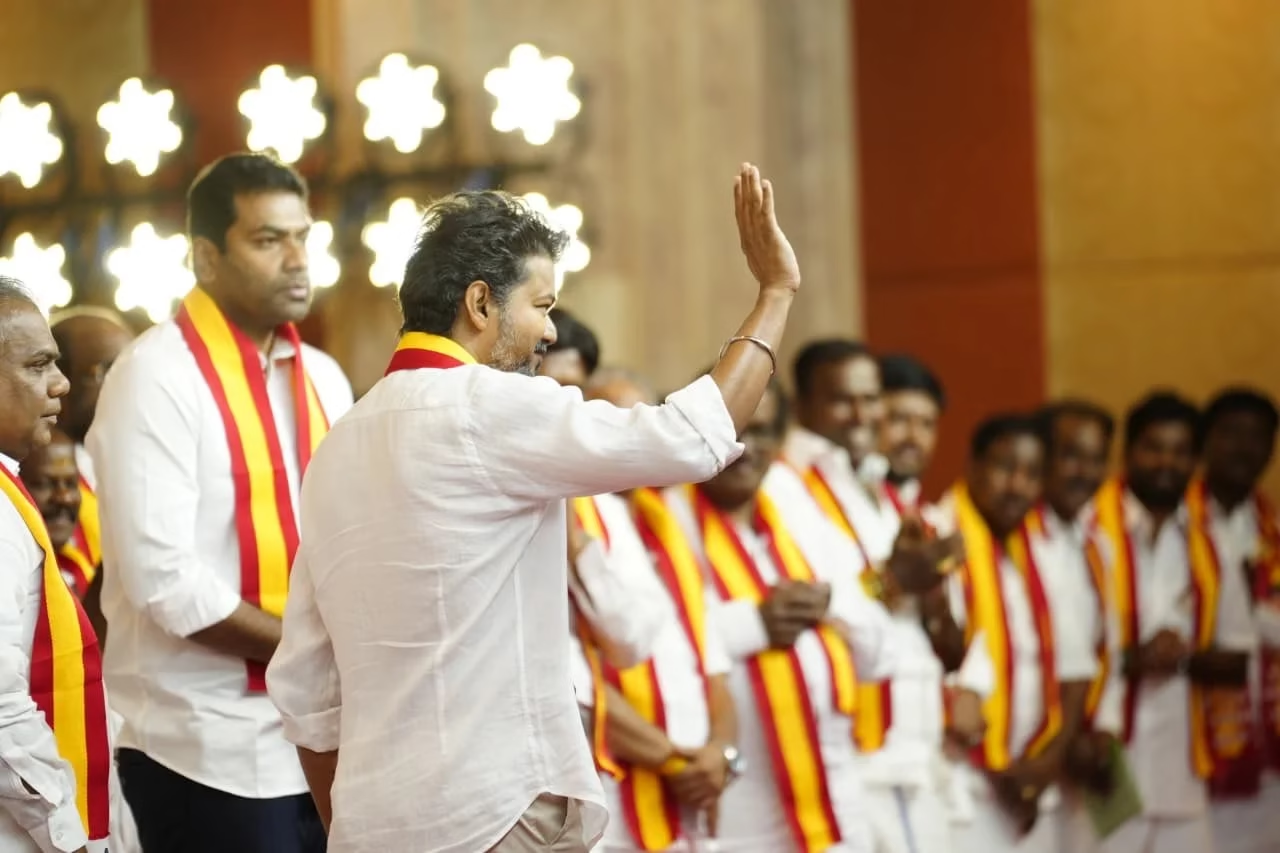
Chennai, India — Vijay is set to contest his first Tamil Nadu Assembly election from two urban constituencies — Perambur in Chennai and Tiruchi East — following a long-standing political tradition in the state, though such a strategy is rarely adopted by debutants.

Vijay announced the move on March 29, 2026, as his newly formed party, Tamilaga Vettri Kazhagam, prepares to make its electoral debut. He has not publicly explained the decision and has remained largely inaccessible to the media.

The dual-constituency approach has precedent in Tamil Nadu politics, where prominent leaders have contested multiple seats to maximize political reach and ensure electoral security.

One of the most notable examples is J. Jayalalithaa, who in 1991 contested from both Kangeyam and Bargur. At the time, she dismissed speculation that the move reflected electoral insecurity, calling it a precautionary step. Riding a massive sympathy wave after the assassination of Rajiv Gandhi, her alliance secured a landslide victory, and she won both seats before vacating one.

In 2001, Jayalalithaa again drew attention by filing nominations from four constituencies despite legal limits allowing only two, a move widely interpreted as politically strategic amid legal challenges she was facing.

Not all dual-contest strategies have succeeded. K. Krishnasamy contested two reserved constituencies in 2001 but lost both, as his party failed to secure any seats despite an alliance with the Dravida Munnetra Kazhagam.

Similarly, unusual multi-seat nomination attempts have surfaced in the past, including independent candidate Chengai Sivam filing nominations across multiple constituencies during by-elections, highlighting the political maneuvering often seen around electoral rules.

Against this backdrop, Vijay’s decision signals an ambitious entry into politics, aiming to build statewide visibility and consolidate support across regions. Whether the strategy will translate into electoral success remains to be seen, but it firmly places him within a familiar — and high-stakes — Tamil Nadu political playbook.


SOURCE : THE HINDU |  Follow Us: Facebook | Instagram | Twitter | Youtube |