Home Blog Page 3

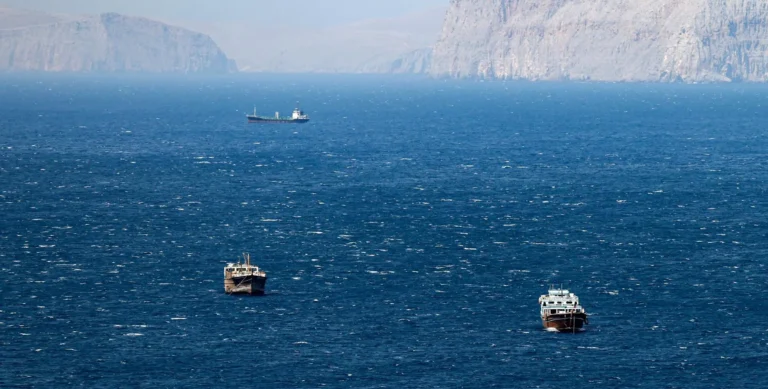
Two Indian LPG carriers transit Strait of Hormuz amid disruptions

0

Mumbai, India — Two Indian liquefied petroleum gas (LPG) carriers have safely transited the Strait of Hormuz and are now en route to India, the Ministry of Petroleum and Natural Gas said, despite ongoing disruptions in the critical waterway.

Jag Vasant’, an Indian LPG tanker, safely reached the offshore terminal at Vadinar on Friday evening. The tanker successfully pass through the strategically sensitive Strait of Hormuz with clearance from Iranian authorities.

According to officials at Deendayal Port Authority, the vessel dropped anchor at around 8 pm. The journey took little longer longer than expected due to routine navigational variations.

Officials confirmed that all Indian seafarers in the region remain safe, with no incidents reported involving Indian-flagged vessels in the past 24 hours. Currently, 18 Indian-flagged ships with 485 Indian crew members are operating in the western Persian Gulf.

India continues to rely heavily on Gulf energy supplies, sourcing about half of its total energy needs from the region, valued at approximately $180 billion in 2024.

The update comes amid heightened regional tensions following the United States-Israel military campaign against Iran, which began on February 28. The conflict has triggered retaliatory drone and missile strikes by Tehran across Israel and parts of the Gulf, disrupting infrastructure, aviation, and global markets.

The Strait of Hormuz, through which roughly 20 million barrels of oil pass daily, has faced significant disruption since early March, driving up shipping costs and pushing global energy prices higher.

The safe passage of Indian tankers offers a measure of stability for energy supplies, even as risks to one of the world’s most vital trade routes remain elevated.


SOURCE : AGENCIES |  Follow Us: Facebook | Instagram | Twitter | Youtube |

Zelenskyy signs air defense pacts with United Arab Emirates and Qatar during Gulf tour

Doha / Abu Dhabi — Volodymyr Zelenskyy has secured a series of defence agreements with Gulf nations, signing a new deal with Qatar and expanding cooperation with the United Arab Emirates, as regional tensions rise amid ongoing Iranian missile and drone attacks.

The agreement with Qatar, announced by the Qatar Ministry of Defence, focuses on joint efforts to counter missile and drone threats, including cooperation in advanced technology, investment, and the exchange of military expertise. The deal was signed during Zelenskyy’s visit to Doha following earlier stops in the UAE and Saudi Arabia.

Senior officials from both sides attended the signing, including Qatar’s defence leadership and Ukraine’s top security and military representatives, underscoring the strategic importance of the partnership.

Ukraine is positioning itself as a key partner for Gulf security by offering battlefield-tested expertise in countering drones, developed during its war with Russia. Kyiv has already deployed anti-drone specialists across the region as part of Zelenskyy’s diplomatic push.

The move comes as Iran’s ongoing attacks across the Gulf—despite Tehran’s claim it is targeting only U.S. assets—have raised concerns among regional governments about civilian safety and infrastructure risks.

Ukraine’s approach offers a cost-effective alternative to traditional air defence systems. While Gulf states rely heavily on high-cost interceptors like Patriot and THAAD systems, Ukrainian methods for downing drones can cost a fraction, making them increasingly attractive amid sustained aerial threats.

Kyiv is also seeking to secure funding and military support through these partnerships, as it continues to face near-daily missile and drone attacks from Russia. Officials say Ukraine hopes to exchange its drone interception expertise for access to advanced air defence systems needed to counter ballistic missile threats.

The agreements mark a deepening of ties between Ukraine and Gulf states, reflecting a growing convergence of security interests as conflicts in Eastern Europe and the Middle East become increasingly interconnected.


SOURCE : AGENCIES |  Follow Us: Facebook | Instagram | Twitter | Youtube |

Malaysia says Iran allows its ships to transit Strait of Hormuz

0

Kuala Lumpur, Malaysia — Anwar Ibrahim said Iran has granted Malaysian vessels passage through the Strait of Hormuz, offering limited relief as global energy markets remain strained by the ongoing conflict involving the United States and Israel.

In a televised address, Anwar thanked Masoud Pezeshkian for allowing Malaysian ships “early clearance” through the strategic waterway, which carries roughly one-fifth of the world’s oil and liquefied natural gas (LNG) supplies but has been heavily restricted amid the war.

He added that efforts are underway to secure the release of Malaysian oil tankers and crew so they can safely return home, though officials did not specify how many vessels have crossed or the exact conditions of their passage.

Despite being a major LNG exporter through state energy giant Petronas, Malaysia remains dependent on Gulf crude imports, with nearly 70 percent sourced from the region. Anwar said the country is in a “better position” than many others but warned of rising economic pressure.

“Food supplies will be affected, prices will rise, including fertiliser and energy,” he said, outlining measures such as reducing subsidised fuel quotas and gradually shifting civil servants to work-from-home arrangements to conserve energy.

Iran has indicated the strait remains open to countries it considers neutral, while asserting control over the route. Tehran has acknowledged involvement in some recent attacks on commercial vessels and is reportedly considering legislation to impose transit tolls, with some ships allegedly being asked to pay up to $2 million for safe passage.

Shipping activity remains sharply reduced. Maritime data shows only a handful of vessels transiting daily, compared to around 120 ships per day before the conflict—highlighting the scale of disruption to one of the world’s most critical energy corridors.


SOURCE : AGENCIES |  Follow Us: Facebook | Instagram | Twitter | Youtube |
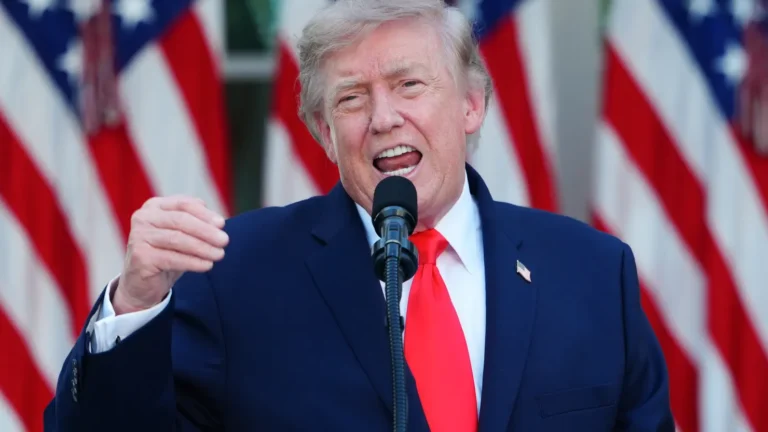
Pentagon eyes 10,000 more troops for Middle East

Washington, D.C. — As the Iran war approaches the one-month mark, the Pentagon is considering deploying up to 10,000 additional troops to the Middle East, signaling a possible shift toward broader military escalation.

Senior U.S. defense officials say planning is already underway, even as fragile and unconfirmed diplomatic efforts between Washington and Tehran continue—reportedly mediated by Pakistan.

Ground operation signals grow

The potential troop surge, backed by both the White House and Pentagon, would significantly increase America’s combat footprint in the region. Officials warn it could mark serious preparations for a possible ground operation in Iran.

At the same time, Donald Trump claims negotiations are ongoing, though Iranian officials remain skeptical, suspecting a diplomatic maneuver masking military intent.

Regional conflict intensifies

The Israeli military confirmed new large-scale strikes on Tehran, targeting what it called “terror infrastructure.”
Hezbollah fired more than 100 missiles into northern Israel, triggering widespread alerts.

Across the Gulf:
Kuwait intercepted multiple drones
Saudi Arabia shot down at least six drones
United Arab Emirates says it has intercepted hundreds of missiles and thousands of drones since the war began.

Strategic flashpoints

Tensions are rising around critical global trade routes, including the Strait of Hormuz and Bab al-Mandeb, with Tehran warning it could tighten control if the conflict escalates further.

Meanwhile, Trump has extended a temporary halt on attacks against Iran’s energy infrastructure until April 6, reportedly at Tehran’s request.

China issues warning

Wang Yi warned that attacks on nuclear facilities could have “incalculable consequences,” urging restraint during talks with International Atomic Energy Agency chief Rafael Grossi.

Pakistan mediation in focus

Indirect US-Iran talks may take place in Islamabad. Ishaq Dar confirmed Pakistan is acting as a key diplomatic channel, with a reported 15-point US proposal under review in Tehran.

Bottom line: military escalation is accelerating alongside fragile diplomacy. With troop deployments under consideration and regional attacks intensifying, the conflict risks expanding into a wider Middle East war unless negotiations gain traction quickly.


SOURCE : AGENCIES |  Follow Us: Facebook | Instagram | Twitter | Youtube |
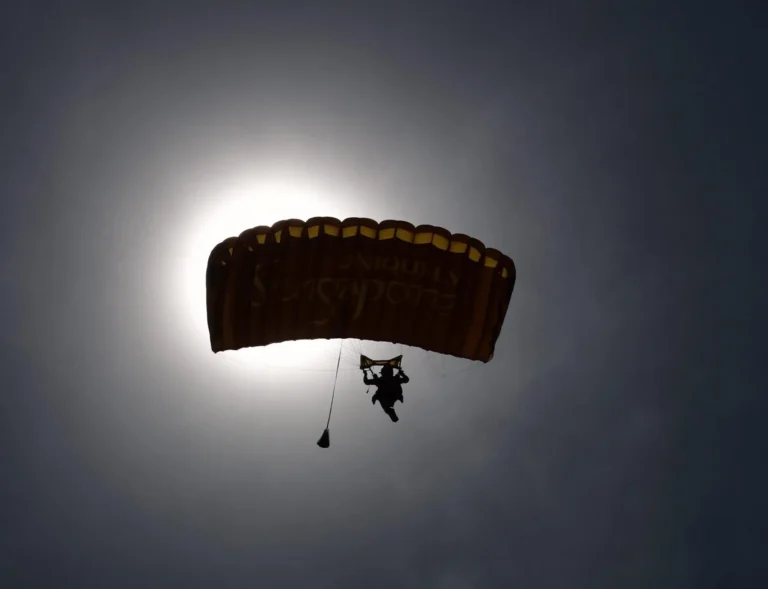
Iranian naval commander Alireza Tangsiri killed in strike, Israel says

Jerusalem, Israel — An Iranian Revolutionary Guard naval commander linked to restrictions in the Strait of Hormuz was killed in a strike in southern Iran on Thursday, as regional tensions intensified and a separate missile incident in Abu Dhabi left two civilians dead.

Israel Katz said an Israeli airstrike killed Alireza Tangsiri in what he described as a “precise and lethal operation,” adding that senior naval officers were also eliminated. According to Israeli officials, Tangsiri oversaw operations affecting shipping through the vital oil transit route.

Israeli media reported the strike occurred in Bandar Abbas, a key strategic hub near the Strait of Hormuz, through which roughly 20 percent of global oil passes. However, the Israel Defense Forces said it was still reviewing the reports, while Iranian authorities have not officially confirmed the killing.

The strike comes as Iran has tightened control over the waterway since the war involving the United States, Israel, and Iran began on February 28, allowing passage mainly to vessels from countries it considers friendly, including India and Thailand. The restrictions have contributed to rising global oil prices.

Meanwhile, in the United Arab Emirates, authorities said two people were killed and three injured after debris from an intercepted Iranian ballistic missile fell on a road in Abu Dhabi. Several vehicles were also damaged in the incident, though officials did not confirm the missile’s intended target.

Since the conflict began, Gulf nations including Saudi Arabia, Kuwait, Qatar, and Bahrain have faced repeated drone and missile attacks attributed to Iran’s Revolutionary Guard.

Donald Trump has urged Tehran to reopen the Strait of Hormuz, a demand Iran has so far rejected, raising concerns over global energy security and the risk of a wider regional war.

The latest developments underscore a sharp escalation across the Gulf, with targeted killings, missile attacks, and maritime tensions pushing the conflict closer to a broader confrontation.


SOURCE : AGENCIES |  Follow Us: Facebook | Instagram | Twitter | Youtube |
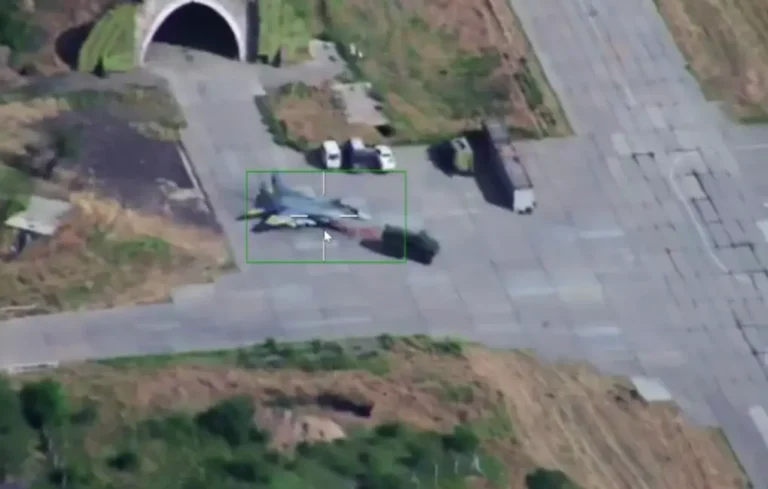
NATO chief defends Trump’s frustration over Hormuz

Brussels, Belgium — NATO Secretary General Mark Rutte acknowledged Thursday US President Donald Trump’s frustration over allies’ slow response to his call to protect maritime transit in the Strait of Hormuz, but said more than 30 countries are now willing to discuss possible contributions.

Speaking at a press conference to present NATO’s 2025 annual report, Rutte also justified Washington’s decision not to consult allies before launching the offensive against Iran, citing “good reasons” to avoid potential leaks.

“What I have been seeing (in Trump) is some frustration … about the Europeans needing to take time to react to his requests,” Rutte said, referring to Trump’s call for assistance to ensure maritime routes remained open during operations against Iran.

 “… and I said, hey, there is a reason for that. … For good reasons, the US was not able to consult with allies because they wanted to keep the campaign, secret again, for good reasons, to make sure that, nobody knew what happened on that Saturday morning.”

Trump again criticized NATO allies on Thursday, saying he would not forget their failure to intervene in the conflict and issuing a fresh ultimatum to Iran to “get serious” before “it is too late.”

His remarks followed earlier criticism in which he called some NATO countries “cowards,” said they had made “a very foolish mistake,” and insisted he did not need “anyone’s help” after they declined to join the offensive to secure the Strait of Hormuz.

Despite the tensions, Rutte highlighted that, after an initiative led by the United Kingdom, France, Italy, Germany, Japan and the Netherlands, “more than 30 countries” have now agreed to meet to discuss how to ensure maritime routes remain open.

“This responds exactly to President Trump’s request and, more broadly, to the situation in the Middle East,” he added.

Rutte also reiterated NATO’s position that Iran must not acquire nuclear or missile capabilities.

Defense spending

Rutte praised what he described as “significant progress” in defense spending among NATO members, noting that for the first time all allies met the 2014 target of allocating at least 2 percent of GDP to defense, with many exceeding the benchmark.

He also stressed the need to increase defense production and invest in innovation.

According to the annual report, Spain spent 2 percent of its GDP on defense in 2025 and ranked fifth in the proportion of spending dedicated to capabilities, at 44.2 percent, behind Luxembourg, Poland, Hungary and Lithuania.

Rutte praised Spain’s increased defense spending and said “time will tell” whether Madrid’s planned 2.1 percent allocation will be sufficient to meet its NATO obligations.

Ukraine

On Ukraine, Rutte said essential equipment continues to reach the country and reiterated NATO’s strong involvement in supporting Kyiv.

He noted that assistance is being coordinated through a logistics hub in Germany and through the PURL initiative, under which allies finance US-made weapons for Ukraine.

Asked how long shipments could continue at the current pace, Rutte said “the flow continues,” while acknowledging that Middle East operations are drawing on existing stockpiles.

“Even without the current campaign against Iran, there was an absolute need to boost our defense industrial production,” he said.


SOURCE : EFE. |  Follow Us: Facebook | Instagram | Twitter | Youtube |

Kim Jong Un meets Alexander Lukashenko, condemns Western pressure on Belarus

Pyongyang, North Korea — Kim Jong Un and Alexander Lukashenko signed a “friendship and cooperation” treaty on Thursday following a lavish استقبال in Pyongyang, underscoring deepening ties between two heavily sanctioned states aligned against Western influence.

Lukashenko’s first visit to North Korea was marked by an elaborate ceremony featuring an artillery salute, mass displays, and a large flag-waving crowd. He also visited the Kumsusan Palace of the Sun to pay respects to Kim’s father and grandfather.

In statements carried by Belarusian state media, Lukashenko called for closer coordination among “independent countries” amid what he described as violations of international law by major powers. Kim, in turn, condemned what he termed “illegitimate pressure” from the West on Belarus and voiced full support for Minsk’s leadership.

Both nations have backed Russia in its war against Ukraine and face extensive Western sanctions over human rights concerns and security issues. Intelligence estimates suggest North Korea has supplied troops, weapons, and ammunition to Moscow, while Belarus has supported Russian military operations and hosts tactical nuclear weapons.

The visit also highlighted growing alignment among countries seeking to challenge Western dominance, alongside leaders such as Vladimir Putin and Xi Jinping, who advocate a “multipolar world” order.

As part of the visit, Lukashenko laid a bouquet on behalf of Putin, symbolizing the tightening trilateral ties between Moscow, Minsk, and Pyongyang.

Beyond security cooperation, both sides signaled plans to expand economic ties. Belarus is looking to export food and pharmaceuticals, while North Korea may increase shipments of consumer goods such as cosmetics. Trade between the two countries remains limited but is expected to grow under the new agreement.

The meeting comes as Donald Trump explores renewed diplomatic outreach, having previously met Kim three times and recently easing some restrictions on Belarus, amid speculation of further high-level engagements.

Analysts say the visit is aimed at reinforcing an emerging anti-Western bloc, with Pyongyang seeking to elevate its diplomatic profile while strengthening strategic partnerships beyond its traditional reliance on Beijing.


SOURCE : REUTERS |  Follow Us: Facebook | Instagram | Twitter | Youtube |
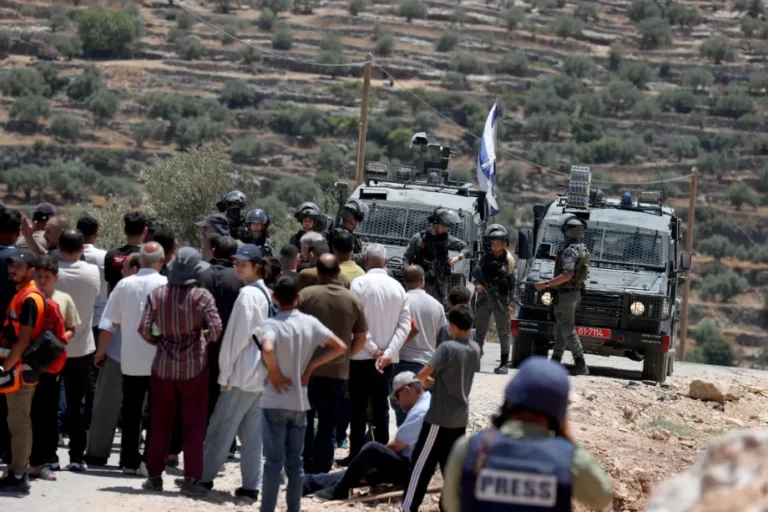
Airstrike in western Anbar kills 7 Iraqi troops, injures 13

Baghdad, Iraq — At least seven Iraqi soldiers were killed and 13 others wounded in an airstrike targeting a facility used by the Popular Mobilization Forces near a military medical center in western Anbar, Iraqi authorities said.

The Iraqi Ministry of Defense confirmed that an unidentified aircraft struck a clinic inside the Habbaniyah military base, describing the attack as a “dangerous escalation.” The base is controlled by the PMF, a state-linked force that includes several Iran-aligned armed factions.

Officials said the strike hit a military hospital affiliated with the defense ministry, killing seven personnel and injuring 13 others. Iraqi media reported the site was being used by PMF fighters, though the government maintains the group is an official part of the country’s armed forces.

The attack marks the second deadly strike in Anbar within 24 hours, following an earlier airstrike that killed at least 15 PMF fighters near the Syrian border. Recent strikes in the region have been widely attributed to the United States, though no official confirmation has been issued.

The Iraqi government, a key US ally, has condemned repeated attacks on its security forces while also criticizing rocket and drone strikes by Iran-backed groups targeting bases hosting American troops.

Following the earlier strike, Mohammed Shia al-Sudani convened an emergency meeting of the national security council, which pledged to respond to what it described as ongoing aerial attacks against Iraqi military positions.

The escalation underscores growing tensions in western Iraq, as clashes intensify between US-linked operations and Iran-aligned armed groups operating under the PMF umbrella.


SOURCE : AGENCIES |  Follow Us: Facebook | Instagram | Twitter | Youtube |
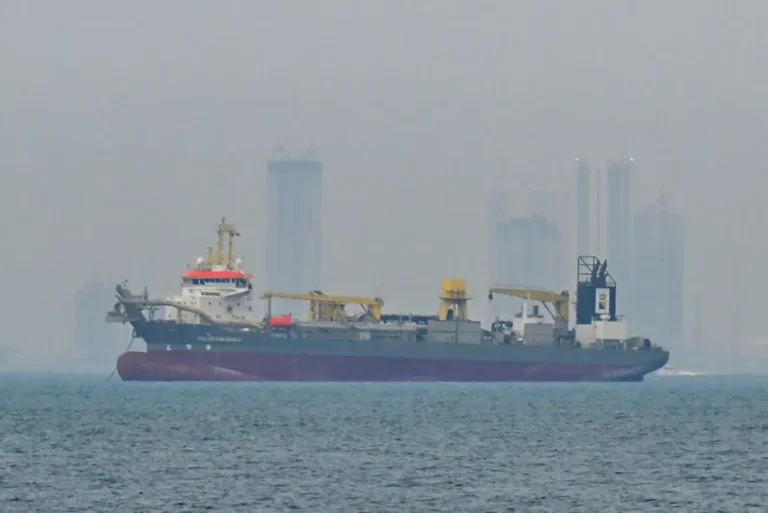
Israel hits Tehran with airstrikes on Persian New Year as war jolts energy markets

0

Tehran/Tel Aviv — Israel pounded Tehran with airstrikes Friday as Iranians marked Nowruz, or the Persian New Year, in the midst of a war that has sent shock waves through the global economy and risked drawing Iran’s Arab neighbors directly into the conflict.

Activists reported hearing strikes around Iran’s capital. The attacks came a day after Israel pledged to refrain from more strikes on a key Iranian gas field and Iran intensified attacks on oil and natural gas facilities around the Gulf.

Heavy explosions shook Dubai early Friday as air defenses intercepted incoming fire over the city, where people were observing Eid al-Fitr, the end of the holy Muslim fasting month of Ramadan, and mosques made the day’s first call to prayers.

Iran kept up its wave of attacks launched at Israel that have sent millions of people to shelters, with sirens sounding across a wide swath of the north, from Haifa to the Galilee to the border with Lebanon. It came after an intense day that saw more than a dozen missile launches on Thursday alone, according to Israel’s military.

Global fuel supplies have been under intense pressure because of Iran’s stranglehold on the Strait of Hormuz, a strategic waterway through which a fifth of the world’s oil is transported.

Israeli Prime Minister Benjamin Netanyahu said late Thursday that, at the request of President Donald Trump, Israel will hold off any further attacks on Iran’s offshore South Pars gas field. Iranian strikes in retaliation have led to already elevated global energy prices further surging and spurred Gulf allies to call for Trump to rein in Netanyahu.

Since the U.S. and Israel launched the war on Feb. 28, Iran’s top leaders have been killed and the country’s military capabilities have been severely degraded. Netanyahu said in a televised address that Iran no longer has the ability to enrich uranium or make ballistic missiles, although he did not provide evidence.

Still, Iran — now led by the son of the supreme leader killed in the war’s opening salvo — remains capable of missile and drone attacks.

Brent crude oil, the international standard, briefly surged above $119 a barrel, up more than 60% since the war started. The European benchmark for natural gas prices also rose sharply and has roughly doubled in the past month.

U.N. Security Council meets over Iran’s attacks on Gulf states

The United Nations Security Council held an urgent closed meeting Thursday during which Gulf countries stressed the need for Iran to halt attacks on them, said Bahrain’s U.N. Ambassador Jamal Alrowaiei, the Arab representative on the U.N.’s most powerful body.

But Iran has showed no signs of backing down. Saudi Arabia said its SAMREF refinery in the Red Sea port city of Yanbu was hit. Saudi Arabia had begun pumping large volumes of oil west toward the Red Sea to avoid the Strait of Hormuz.

International and US oil prices

Brent crude oil is the benchmark for about three-quarters of the oil produced globally. West Texas Intermediate, or WTI, is the price barometer for U.S. oil.

Qatar, a key source of natural gas for world markets, said Iranian missiles that caused extensive damage to the Ras Laffan liquefied natural gas facility, reduced its exports by about 17 percent and will cost about $20 billion in lost revenue a year. The damage will take up to five years to repair, even though production at the facility had already been halted after earlier attacks.

Two oil refineries in Kuwait and gas operations in Abu Dhabi also were targeted by Iran, authorities said.

Underscoring the danger to ships in the region, a vessel was set ablaze Thursday off the United Arab Emirates’ coast and another was damaged off Qatar. Efforts to bypass the strait were also under pressure: An Iranian drone hit a Saudi refinery on the Red Sea, which the country had hoped to use as an alternative route.

Meanwhile, the UAE said Friday it disrupted what it called “a terrorist network funded and operated by Lebanon’s Hezbollah and Iran,” arresting its operatives. It accused the men of laundering money while “operating within the country under a fictitious commercial cover” that sought to carry out schemes that would threaten the country’s financial stability.

It published images of five prisoners on its state-run WAM news agency, without identifying the men.

Netanyahu says Iran’s military has been severely hit

At Thursday’s news conference, Netanyahu said: “Iran’s air defenses have been rendered useless, their navy is lying at the bottom of the sea. … Their air force is nearly destroyed.”

He said he hopes the Iranian people will rise up against the Islamic Republic that has ruled for nearly a half-century. There’s been no sign of any organized opposition since the war began, after Iranian authorities crushed mass protests in January.

The prime minister’s comments to foreign journalists came amid difficult days for Trump and Netanyahu, with a top U.S. intelligence official resigning and claiming Israel pushed Trump into the war, and Israel’s attacks on South Pars, which led to Iran’s retaliatory strikes on the region’s oil and gas fields.

“I misled no one,” Netanyahu said. “And I didn’t have to convince President Trump about the need to prevent Iran from developing its nuclear program.”

Iran long has insisted its program was peaceful, although it was enriching uranium up to 60% purity, a short, technical step from weapons-grade levels. That stockpile of highly enriched uranium still remains in Iran.

Gen. Dan Caine, chairman of the Joint Chiefs of Staff, said that U.S. forces were attacking deeper into Iranian territory, with warplanes hunting Iranian boats in the strait and dropping 5,000-pound bombs on underground weapons-storage facilities.

Trump says he is not deploying troops to Iran

Iran condemned Israel’s attack on South Pars, the Iranian part of the world’s largest gas field, located offshore in the Persian Gulf and owned jointly with Qatar.

With some 80% of power generated in Iran coming from natural gas, according to the International Energy Agency, the attack threatens the country’s electricity supplies.

After Trump requested Israel not attack South Pars, he also warned on social media that if Iran continued striking Qatar, the U.S. would “massively blow up the entirety” of the field.

Asked later about the possibility of U.S. ground troops being deployed to Iran, Trump responded: “No. I’m not putting troops anywhere.”

Death toll climbs in third week of war

More than 1,300 people in Iran have been killed during the war. Israeli strikes against the Iranian-backed Hezbollah militant group in Lebanon have displaced more than 1 million people, according to the Lebanese government, which says more than 1,000 people have been killed. Israel says it has killed more than 500 Hezbollah militants.

In Israel, 15 people have been killed by Iranian missile fire. Four people were also killed in the occupied West Bank by an Iranian missile strike.

At least 13 U.S. military members have been killed.


SOURCE : AP NEWS |  Follow Us: Facebook | Instagram | Twitter | Youtube |

Saudi Arabia says it reserves right to military action against Iran

Riyadh, Saudi Arabia — Faisal bin Farhan Al Saud said Saudi Arabia has not ruled out military action against Iran following repeated missile and drone attacks, including strikes targeting the capital while regional diplomats were meeting.

Speaking after hosting foreign ministers from Arab and Islamic nations, Prince Faisal said the targeting of Riyadh during high-level diplomatic talks was “the clearest signal” of Tehran’s stance on diplomacy.

“Iran tries to pressure its neighbors through attacks,” he said, warning that Saudi Arabia “will not succumb to pressure” and that escalation “will backfire.” He reiterated that the kingdom “reserves the right to take military action if deemed necessary.”

Saudi authorities reported fresh attacks on Wednesday, with multiple explosions heard across Riyadh. The defense ministry confirmed that ballistic missiles were intercepted over the city.

The foreign minister strongly condemned what he described as repeated targeting of civilian infrastructure across the Gulf, including oil facilities, airports, desalination plants, residential areas, and diplomatic sites. He dismissed Iran’s claims that such strikes were aimed at US interests as “weak.”

“Neither Saudi Arabia nor Gulf states will accept blackmail,” he said, adding that “escalation will be met with escalation.”

A joint statement issued after the Riyadh meeting condemned the “deliberate use of ballistic missiles and drones” against civilian targets and reaffirmed the right of states to defend themselves. The ministers also called on Iran to immediately halt its attacks and de-escalate tensions.

The remarks signal a sharp rise in regional tensions, as Gulf nations warn that continued attacks could trigger a broader military response.


SOURCE : AGENCIES |  Follow Us: Facebook | Instagram | Twitter | Youtube |